
Fashion
Stone Materials for Coastal Resorts, Luxury Bathrooms, and Hotel Interiors

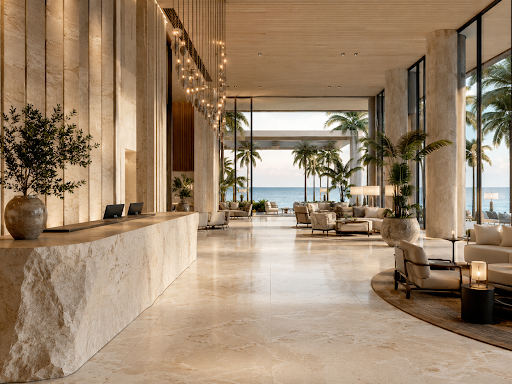
Coastal resorts, luxury bathrooms, and hotel interiors often use natural stone to create a calm, premium, and long-lasting atmosphere. Marble, limestone, travertine, granite, quartzite, and other stone materials can help a project feel more refined, more connected to nature, and more suitable for hospitality spaces where guests expect comfort and visual quality.
However, coastal and hospitality environments place different demands on stone selection. A material that works beautifully in a dry villa living room may not be the best option for a humid resort bathroom, a poolside walkway, or a high-traffic hotel lobby. Salt air, humidity, barefoot traffic, cleaning routines, water exposure, lighting, luggage movement, and long-term maintenance all affect material choice.
For hotel developers, resort owners, interior designers, and contractors, stone selection should begin with the application area. The right material must match the location, finish, installation method, and expected use. For example, lobby marble should be reviewed differently from shower wall marble, pool coping stone, vanity tops, or outdoor terrace paving.
When a project includes major arrival areas, reception spaces, or public hotel interiors, working with an experienced hotel lobby marble supplier can help buyers review slab selection, finish options, cut-to-size fabrication, inspection, packing, and project coordination before materials are shipped.
Why Stone Selection Matters in Coastal Hospitality Projects
Coastal resorts and hotel interiors are designed for both visual impact and long-term use. Guests may walk through the lobby with luggage, enter bathrooms with wet feet, move between outdoor terraces and indoor lounges, or use spa areas with constant moisture exposure. These conditions make stone selection more technical than it may appear at first.
Natural stone is valued because it can create:
- A strong first impression in hotel lobbies
- A relaxed mood in resort bathrooms
- A durable surface for public interiors
- A natural transition between indoor and outdoor areas
- A premium atmosphere in spa and wellness spaces
- A sense of permanence in luxury hospitality design
Designers and buyers may also review a natural stone design reference when studying general stone categories, design considerations, and industry knowledge before finalizing material choices for hospitality environments.
The key is not to select stone only by color. Coastal hotel and resort projects require a balance of appearance, safety, cleaning, durability, fabrication, and installation planning.
Main Stone Areas in Coastal Resorts and Hotels
A coastal resort or hotel may use stone across many different spaces. Each area has its own performance and design requirements.
Hotel Lobby and Arrival Area
The lobby is usually the most visible interior space. It sets the tone for the entire property. Marble, granite, limestone, and quartzite may be used for floors, walls, columns, reception counters, elevator surrounds, and feature walls.
Key considerations include:
- Foot traffic
- Luggage wheels
- Cleaning schedule
- Lighting reflection
- Slip concerns near entrances
- Visual consistency
- Slab size and pattern
- Maintenance expectations
For coastal hotels, lobby floors may be exposed to sand, moisture, and outdoor traffic. The stone finish should be selected carefully to balance luxury and practical use.
Guest Bathrooms
Guest bathrooms are among the most important areas in resort and hotel design. They must look clean and high-end, but they also need to support repeated daily use.
Common stone applications include:
- Vanity tops
- Shower wall panels
- Bathroom floors
- Bathtub surrounds
- Thresholds
- Wall cladding
- Niche shelves
- Backsplashes
- Decorative trims
Bathrooms require close attention to finish, moisture exposure, cutout accuracy, and room-by-room labeling.
Spa and Wellness Areas
Spa areas often use stone to create a calming atmosphere. Warm marble, limestone, travertine, and soft-toned stone are commonly considered. These spaces may include treatment rooms, steam areas, relaxation lounges, shower zones, and vanity counters.
Important factors include:
- Humidity
- Cleaning products
- Barefoot comfort
- Surface texture
- Warm color tone
- Drainage and slope
- Joint placement
- Maintenance requirements
Spa stone should feel natural and relaxing, but it must also be practical for moisture-rich environments.
Poolside and Outdoor Areas
Coastal resorts often include pools, terraces, pathways, outdoor showers, and sea-view lounges. These spaces require more careful material selection than indoor areas because they may face sunlight, rain, salt air, pool water, and frequent barefoot traffic.
Common stone choices may include granite, basalt, limestone, travertine, or textured natural stone depending on the project environment.
Buyers should review:
- Surface texture
- Heat under sunlight
- Water exposure
- Salt-air impact
- Cleaning method
- Edge details
- Thickness
- Installation system
Polished marble is generally not the first choice for exposed outdoor walking areas. Textured, honed, brushed, or other practical finishes may be more suitable depending on the stone type.
Choosing Stone by Environment
Stone should be selected according to the environment where it will be installed. Coastal hospitality spaces can be divided into several practical zones.
Dry Interior Zones
Dry interior zones include lobbies, corridors, lounges, restaurants, retail areas, and some guest room spaces. These areas may use polished or honed stone depending on design style and traffic level.
Suitable uses may include:
- Lobby floors
- Reception counters
- Feature walls
- Elevator surrounds
- Corridor wall panels
- Bar tops
- Fireplace surrounds
For dry interiors, visual quality is often a major priority. However, public spaces still require durability and cleaning review.
Wet Interior Zones
Wet interior zones include bathrooms, showers, spa rooms, changing rooms, and indoor pool areas. These areas require more careful finish selection and installation planning.
Important checks include:
- Wet surface exposure
- Surface finish
- Joint placement
- Drainage planning
- Cleaning routine
- Sealing expectations
- Local installation method
- Maintenance schedule
Stone can work well in wet zones, but it should be chosen and installed according to realistic use conditions.
Semi-Outdoor Zones
Semi-outdoor areas include covered terraces, resort walkways, balcony lounges, outdoor dining areas, and poolside transition spaces. These areas may be exposed to humidity, indirect rain, sand, and changing temperatures.
Suitable stone should be reviewed for:
- Texture
- Water absorption
- Surface wear
- Salt exposure
- Cleaning method
- Edge safety
- Color stability
- Installation support
A coastal resort may need a different stone strategy from an urban hotel because guests move more frequently between indoor and outdoor spaces.
Marble in Coastal Hotels and Resorts
Marble is often used in coastal hospitality interiors because it creates elegance and visual depth. It is especially effective in lobbies, bathrooms, wall cladding, vanity tops, reception counters, and feature areas.
Best Uses for Marble
Marble may be suitable for:
- Lobby feature walls
- Reception counters
- Interior floors
- Bathroom vanity tops
- Shower wall panels
- Bathtub surrounds
- Elevator surrounds
- Decorative wall panels
- Hotel suite bathrooms
Practical Considerations
Marble should be selected carefully for coastal conditions. Buyers should consider:
- Whether the area is wet or dry
- How often the surface will be cleaned
- Whether guests will walk with wet feet
- Whether the stone is decorative or functional
- Whether the finish creates glare
- Whether the slab pattern suits the design scale
A dramatic marble may work well behind a reception counter or bathtub. A calmer marble may be better for large wall areas or repeated hotel bathrooms.
Limestone and Travertine for Resort Atmosphere
Limestone and travertine are often associated with warm, relaxed, resort-style interiors. Their softer colors and natural textures can make coastal projects feel comfortable and connected to the landscape.
Where Limestone Works Well
Limestone may be used for:
- Interior wall cladding
- Calm resort floors
- Feature walls
- Bathroom accents
- Exterior walls depending on project conditions
- Lounge areas
- Spa rooms
Limestone usually creates a softer visual effect than highly dramatic marble. It works well in projects that want understated luxury rather than strong contrast.
Where Travertine Works Well
Travertine may be used for:
- Resort bathrooms
- Poolside spaces
- Terraces
- Wall cladding
- Spa interiors
- Outdoor lounges
- Warm-toned floors
Travertine can be filled or unfilled, honed, brushed, tumbled, or textured. The selected finish should match the application.
What Buyers Should Check
For limestone and travertine, buyers should review:
- Filling method
- Surface finish
- Porosity
- Maintenance needs
- Outdoor suitability
- Color consistency
- Edge durability
- Cleaning routine
These stones can create excellent resort aesthetics, but they should be specified carefully.
Granite, Basalt, and Stronger Stones for Functional Areas
Granite, basalt, and similar hard stones are often considered for areas that need stronger practical performance. These materials may be used in exterior paving, pool coping, stairs, service zones, outdoor terraces, and high-traffic public areas.
Common Applications
- Exterior walkways
- Pool coping
- Outdoor steps
- Driveway details
- Hotel entrance paving
- Terrace flooring
- Landscape walls
- High-traffic floors
Why They Are Used
These stones are often selected when the project needs:
- Stronger wear resistance
- Better outdoor performance
- Textured finish options
- Practical maintenance
- Structural appearance
- Long-term use in public zones
However, the exact performance depends on the specific stone type and finish. Buyers should not assume that all dark stones or all granites behave the same way.
Quartzite and Decorative Stone in Premium Interiors
Quartzite is often selected for premium interiors because it can offer strong natural movement and high visual value. It may be used for countertops, feature walls, reception counters, luxury bathroom walls, and decorative panels.
Common Quartzite Uses
- Reception counters
- Bar tops
- Feature walls
- Bathroom vanity tops
- Hotel suite interiors
- Private villa spaces
- Decorative stone furniture
Quartzite can be visually dramatic, so it should be used with careful layout planning. Full slab approval is especially important because quartzite patterns can vary significantly.
Surface Finish Selection for Coastal Projects
Surface finish can affect both appearance and safety. In coastal hospitality projects, finish selection should never be an afterthought.
Polished Finish
A polished finish creates reflection and depth. It is commonly used for feature walls, reception counters, vanity tops, and some dry floors. However, it may not be ideal for all wet or outdoor walking areas.
Honed Finish
A honed finish has a softer, less reflective appearance. It works well for modern hotels, calm bathrooms, spa interiors, and some floors.
Brushed or Leathered Finish
These finishes create texture and reduce shine. They may be suitable for relaxed resort interiors or selected functional areas.
Flamed or Textured Finish
Textured finishes may be considered for outdoor or wet walking zones, depending on the stone type. They can improve practical surface performance in areas exposed to water.
Full Slab Approval and Layout Planning
Full slab approval is essential for high-end stone projects. Small samples cannot show full veining, movement, cloudy areas, color variation, or usable slab size.
Full slab approval is especially important for:
- Hotel lobby walls
- Reception counters
- Large bathroom walls
- Shower panels
- Feature walls
- Elevator surrounds
- Bar counters
- Bookmatched layouts
Buyers should request:
- Full slab photos
- Close-up images
- Slab numbers
- Thickness information
- Finish confirmation
- Layout photos when required
- Dry layout for matched panels
For coastal resorts and hotels, stone often appears in large public areas. Layout planning helps prevent random veining, poor joint placement, and inconsistent appearance.
Custom Fabrication for Hospitality Stone
Hospitality stone often needs custom fabrication because each area has specific dimensions and design details.
Common custom items include:
- Reception counters
- Vanity tops
- Shower wall panels
- Stair treads
- Stair risers
- Wall panels
- Thresholds
- Pool coping
- Bar tops
- Window sills
- Fireplace surrounds
- Spa benches
- Decorative profiles
Before fabrication, buyers should confirm:
- Final drawings
- Dimensions
- Thickness
- Surface finish
- Edge profiles
- Cutouts
- Drainage openings
- Fixture positions
- Room labels
- Packing sequence
Fabrication mistakes can be expensive in overseas projects, so technical details should be confirmed in writing before production.
Packing and Labeling for Resort and Hotel Projects
Packing is especially important because stone is heavy and can be damaged during long-distance shipping. Finished pieces with cutouts, edges, corners, and polished surfaces need proper protection.
Good export packing may include:
- Strong wooden crates
- Internal supports
- Foam or protective separators
- Corner protection
- Surface protection
- Waterproof covering
- Clear crate marks
- Packing lists
- Loading photos
Labels are equally important. A hotel or resort project may include many bathrooms, suites, corridors, and public areas. Pieces should be labeled by room, floor, or installation area.
Useful labels may include:
- Project name
- Floor number
- Room number
- Area name
- Drawing number
- Piece number
- Crate number
- Installation sequence
Good labeling helps contractors install materials more efficiently.
Common Mistakes in Coastal Stone Selection
Mistake 1: Choosing Stone Only by Appearance
A stone may look beautiful but may not be suitable for wet floors, poolside areas, or high-traffic zones. Application must guide material choice.
Mistake 2: Using One Finish Everywhere
Different zones need different finishes. Lobby walls, bathroom floors, pool coping, and reception counters should not automatically use the same finish.
Mistake 3: Ignoring Coastal Conditions
Salt air, humidity, moisture, sand, and cleaning routines can affect stone performance. Coastal conditions should be discussed early.
Mistake 4: Skipping Full Slab Approval
Small samples cannot show full slab movement. Important visible areas should be approved using real slabs.
Mistake 5: Forgetting Room Labels
Hotel and resort projects often include repeated pieces. Without labels, installation can become slow and confusing.
Practical Checklist for Buyers
Design Checklist
- Project type confirmed
- Coastal exposure reviewed
- Interior and exterior areas separated
- Wet and dry zones listed
- Design style defined
- Lighting conditions reviewed
Material Checklist
- Stone type selected
- Finish confirmed
- Thickness confirmed
- Full slab photos approved
- Outdoor suitability reviewed
- Maintenance expectations considered
Fabrication Checklist
- Final drawings confirmed
- Dimensions checked
- Edge profiles selected
- Cutouts confirmed
- Drainage details reviewed
- Room labels planned
Export Checklist
- Inspection photos required
- Packing method confirmed
- Crate marks prepared
- Loading photos requested
- Installation sequence checked
This checklist helps buyers reduce sourcing mistakes before production begins.
FAQ
1. What stone is best for coastal resort interiors?
The best stone for coastal resort interiors depends on the application. Marble works well for feature walls, bathrooms, and lobbies. Limestone and travertine create warm resort-style spaces. Granite and basalt may be better for outdoor, high-traffic, or wet transition areas. Finish selection is very important.
2. Can marble be used in coastal hotels?
Yes, marble can be used in coastal hotels, especially for lobbies, reception counters, bathrooms, feature walls, vanity tops, and interior floors. Buyers should review finish, maintenance, moisture exposure, and cleaning routines before selecting marble for each area.
3. What stone is suitable for luxury hotel bathrooms?
Marble, limestone, travertine, and quartzite may be used in luxury hotel bathrooms depending on design and application. Vanity tops, walls, shower panels, floors, thresholds, and bathtub surrounds should each be reviewed separately for finish, water exposure, and maintenance.
4. What finish is best for resort stone floors?
The best finish depends on whether the floor is dry, wet, indoor, outdoor, or semi-outdoor. Honed, brushed, leathered, flamed, or textured finishes may be considered for practical areas. Polished finishes may be better suited to dry or decorative interior spaces.
5. How can hotels reduce risk when importing stone?
Hotels can reduce risk by defining application areas, approving full slabs, confirming finishes, checking fabrication details, requesting inspection photos, requiring strong packing, and labeling pieces by room, floor, or installation sequence.
Conclusion
Stone materials can greatly enhance coastal resorts, luxury bathrooms, and hotel interiors, but the selection process must be practical as well as visual. Marble, limestone, travertine, granite, quartzite, and other stones each have different strengths. The right choice depends on the environment, application, finish, maintenance plan, and installation method.
For coastal hospitality projects, buyers should separate dry interiors, wet bathrooms, spa areas, outdoor zones, and semi-outdoor transitions before selecting materials. Full slab approval, proper finish selection, custom fabrication, careful packing, and clear labels all help reduce risk.
When stone is planned carefully, it can create resort interiors that feel calm, premium, and durable. The strongest projects do not rely on one material everywhere. They use the right stone in the right place, with the right finish and the right project control.

Moving to a new home doesn’t have to be a slow and stressful process. With the right strategies and preparation, you can make your move faster, more organized, and highly efficient. Whether you’re relocating within the same city or to a nearby area, focusing on smart planning and time-saving techniques can make a huge difference. Here’s how you can streamline your move and avoid unnecessary delays.
Start with a Clear Moving Plan
Efficiency begins with proper planning. Create a detailed moving checklist that outlines everything you need to accomplish before, during, and after your move. Assign deadlines to each task and prioritize what needs to be done first. Starting early and following a structured plan helps you stay on track and eliminates last-minute chaos.
Declutter Before You Pack
One of the biggest time-wasters during a move is packing items you don’t actually need. Go through your belongings and separate what you want to keep from what you can donate, sell, or discard. Reducing the number of items you move will save time during packing, loading, and unpacking, making the entire process more efficient.
Use Smart Packing Techniques
Packing plays a major role in how quickly and smoothly your move goes. Use sturdy boxes and pack items by category or room. Label each box clearly so you know exactly where it belongs in your new home. Rolling clothes instead of folding them and using household items like towels for padding can save both time and space.
Gather All Supplies in Advance
Running out of packing materials in the middle of the process can slow you down significantly. Make sure you have everything you need before you start, including boxes, tape, markers, and protective materials. Having all supplies ready allows you to pack continuously without interruptions.
Hire Professional Movers for Speed
If you want to maximize efficiency, hiring professionals is one of the best decisions you can make. Experienced movers Richfield MN residents rely on are trained to handle packing, loading, and transportation quickly and safely. Their expertise can significantly reduce the time it takes to complete your move while minimizing the risk of damage.
Organize Moving Day Logistics
A well-organized moving day is essential for a fast and efficient relocation. Make sure pathways are clear, furniture is disassembled if needed, and boxes are ready to go. Coordinate with your moving company Minneapolis residents trust to confirm arrival times and any special requirements. Planning logistics ahead of time helps avoid delays and keeps everything running smoothly.
Unpack Strategically
Efficiency doesn’t stop once you arrive at your new home. Start by unpacking essential items such as kitchen supplies, toiletries, and bedding. Focus on one room at a time to stay organized and avoid creating clutter. Having a clear unpacking strategy helps you settle in faster and makes your new space functional right away.
Conclusion
Making your move faster and more efficient is all about preparation, organization, and smart decision-making. By creating a clear plan, decluttering your belongings, and using effective packing techniques, you can save valuable time. Hiring professional movers and organizing your moving day logistics further enhances efficiency. With the right approach, you can turn a potentially stressful experience into a smooth and streamlined process, allowing you to focus on enjoying your new home.

In today’s world, peptides are becoming increasingly important in the health and fitness industry. Many people are interested in how they can improve their physical performance or enhance their overall health. One way to achieve this is by purchasing peptides. If you would like to learn more about the benefits and purchase of peptides, you can buy peptides and explore the different options available to you.
What Are Peptides?
Peptides are short chains of amino acids that serve as the building blocks of proteins. They play a crucial role in many biological processes, including hormone regulation and supporting muscle growth. Because of their diverse functions, peptides are often used in sports nutrition to improve performance and promote recovery. In addition, there are many different types of peptides, each offering specific benefits.
The use of peptides can be especially beneficial for athletes who want to achieve their training goals more quickly. Some peptides promote muscle growth, while others support fat burning. Choosing the right peptide depends on individual goals and needs. Therefore, it is important to gather sufficient information before making a purchase and, if necessary, seek expert advice.
The Benefits of Peptide Therapy
Peptide therapy offers a wide range of benefits that are important both for athletes and for people who want to improve their general health. One of the main benefits is improved recovery after training. Peptides can help reduce muscle fatigue and shorten recovery time. In addition, they can stimulate the production of growth hormones, which can lead to better muscle growth and increased fat burning.
Another example of a popular peptide is the hGH-Fragment 176-191. This peptide has proven to be particularly effective in promoting fat burning and improving body composition. If you are interested in taking advantage of the benefits of this specific peptide, you can hgh fragment 176 kaufen to reach your fitness goals more quickly.
How to Buy Peptides Safely
When buying peptides, it is important to pay attention to the quality and origin of the product. There are many suppliers on the market, but not all of them offer high-quality products. Make sure to buy only from trustworthy sources that provide transparent information about their products. Check reviews and the experiences of other customers to ensure that you are making an informed decision.
In addition, you should familiarize yourself with the legal regulations in your country, as the sale and use of peptides may be regulated differently depending on the location. Careful research and gathering accurate information are essential to ensure that you select the right peptides for your needs and use them safely.
Overall, peptides offer a promising way to improve physical performance and promote health. With the right information and a responsible approach, you can take advantage of the benefits of these fascinating compounds.


Stone Materials for Coastal Resorts, Luxury Bathrooms, and Hotel Interiors

Somatropin: Benefits, Risks, and How to Safely somatropin kaufen in 2026

Why Businesses Are Turning to AI Logo Generators

How Peptides Can Support Fitness, Recovery, and Fat Loss

How to Make Your Move Faster and More Efficient
Somatropin: Benefits, Risks, and How to Safely somatropin kaufen in 2026
-
 Fashion4 weeks ago
How Peptides Can Support Fitness, Recovery, and Fat Loss
-
 Fashion4 weeks ago
How to Make Your Move Faster and More Efficient
-
 Business3 weeks ago
Somatropin: Benefits, Risks, and How to Safely somatropin kaufen in 2026
-

 Tech4 weeks ago
Step-by-Step Guide to NADRA Online Applications for UK Residents
-

 Business4 weeks ago
How to Keep Your Home Cool While Saving Money
-
 Tech4 weeks ago
Why Businesses Are Turning to AI Logo Generators