
Business
How Implementing Ba Insight’s Enterprise Search Platform Boosts Business Productivity

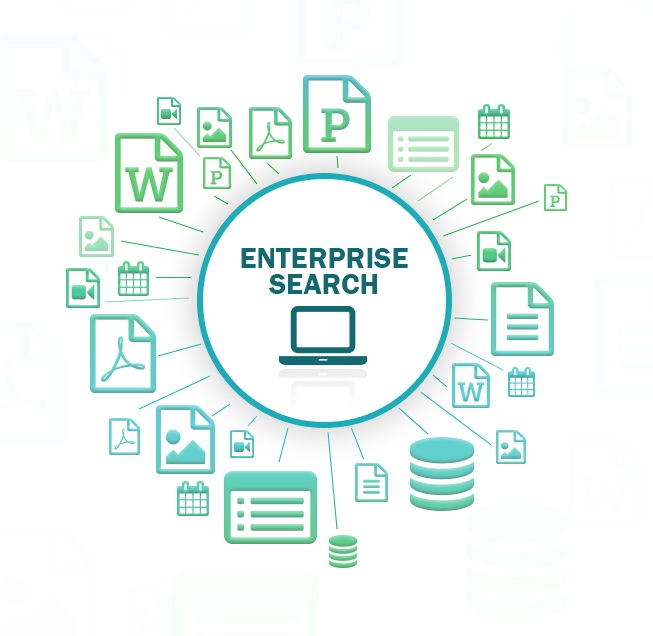
Enterprises face the challenge of locating and utilizing voluminous amounts of data quickly and effectively. This can lead to reduced productivity as employees spend up to 19% of their workweek searching for information. Introducing enterprise search platform from BA Insight can remarkably streamline this process.
A sophisticated enterprise search tool like BA Insight not only saves time but also uncovers valuable insights within an organization’s data. In this article, we’ll explore how implementing this platform elevates business productivity to new heights.
Harnessing BA Insight’s Enterprise Search for Enhanced Data Accessibility
Quick data retrieval is the backbone of BA Insight’s enterprise search platform, making critical information rapidly accessible across an organization. This accessibility significantly drives up productivity as it reduces the time employees spend searching for data.
A case study conducted by BA Insight reveals that companies implementing their search solutions have cut down the time for information retrieval by an average of 30%, thereby contributing directly to employee efficiency. Such results highlight the platform’s ability to connect various data silos, offering a seamless search experience.
Businesses looking to leverage BA Insight should ensure their internal data structures are well-organized and tagged accurately. This preparatory step maximizes the effectiveness of the enterprise search function in delivering precise and expedient search results.
Streamlining Decision-Making with Advanced Search Capabilities
BA Insight’s enterprise search platform empowers decision-makers through its advanced search capabilities, which are designed for precision and tailored information delivery. The implementation of cognitive search, employing artificial intelligence and machine learning algorithms, provides contextually relevant results.
This enterprise search platform from BA Insight intelligence of the system is evident when it can predict user needs and present information that would have otherwise gone unnoticed. For instance, employees looking for customer data may additionally receive insights on recent interactions or relevant documents, enhancing their perspective for a more informed decision-making process.
Choosing to upgrade to BA Insight’s search platform demands that decision-makers explore relevant case studies. This way, they can identify similar organizational structures and outcomes, thus setting realistic expectations for the technology’s impact on their company’s decision-making velocity and accuracy.
Fostering Collaboration and Knowledge Sharing with BA Insight
Collaboration and knowledge sharing are cornerstone benefits of BA Insight’s enterprise search which connects team members through shared insights and data. By doing so, it helps eliminate knowledge silos and promotes a culture of informed collaboration within enterprises.
Once implemented, BA Insight’s platform noticeably enhances project workflows by allowing team members to access and contribute to a shared knowledge base. Through its intuitive interface and advanced filtering, employees can effortlessly find relevant project data, leading to a 25% improvement in collaborative efficiency, as reported by several BA Insight clients.
Companies should consider conducting workshops to teach employees how to use the platform effectively. This encourages teams to adopt the system fully, thus maximizing the potential for knowledge dissemination and collaborative productivity.
Measuring the Impact of BA Insight on Organizational Efficiency
Determining the impact of BA Insight on organizational efficiency involves more than just anecdotal evidence; it requires measurable outcomes. Tracking metrics such as the average time for information retrieval before and after implementation can offer quantifiable proof of the platform’s efficacy.
Enhancements in productivity are also seen in the platform’s analytics capabilities, which provide insights into user search behavior and content engagement. These metrics can guide content strategy and taxonomy refinement, ensuring that BA Insight is continuously tuned to the users’ evolving needs.
To fully gauge the value BA Insight brings, companies should undertake periodic reviews, comparing its results against set KPIs. This evaluation, paired with user feedback, can drive continuous improvement and help maintain a high level of search efficiency and user satisfaction.
Overall, BA Insight’s enterprise search platform is transformative in how organizations handle their vast repositories of data. By streamlining access to information, enhancing the decision-making process, fostering collaboration, and providing measurable indicators for efficiency, the platform stands as a critical tool for driving business productivity. The key to success lies in proper implementation, user training, and ongoing evaluation to ensure that this powerful solution continues to meet the evolving demands of modern businesses.
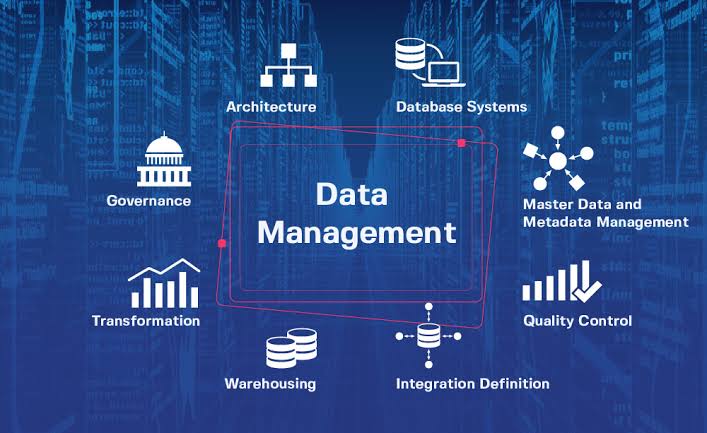
Data management is a cornerstone of modern businesses, and choosing between Artificial Intelligence (AI) Knowledge Management and Traditional Data Management systems is a decision with far-reaching implications. While traditional systems have been reliable in the past, top ai knowledge management is revolutionizing how data is used and understood.
The right choice can streamline operations and foster innovation. In this article, we delve into the intricacies of AI and traditional data systems, providing insights to help steer your decision-making in the data management landscape.
Defining AI Knowledge Management and Traditional Data Management
AI Knowledge Management refers to systems that leverage machine learning and natural language processing to organize, understand, and utilize data in context. Conversely, Traditional Data Management relies on structured databases and predefined schemas to process information systematically.
While AI Knowledge Management can quickly interpret vast datasets to produce actionable insights, traditional data management requires manual intervention to categorize and analyze data. The former excels in processing unstructured data, which constitutes a significant portion of organizational data assets.
Businesses considering a transition must evaluate their data types and the necessary level of insight extraction. For those dealing with mostly structured data, traditional systems might suffice, but AI-powered solutions could offer a competitive edge when handling complex, unstructured datasets.
Analyzing the Data Processing Capabilities
The data processing prowess of AI Knowledge Management systems is a game-changer, enabling real-time analysis and decision-making capabilities. It leads to a dramatic reduction in the time needed to turn raw data into strategic knowledge.
For instance, AI systems can analyze customer interaction data to predict trends and personalize experiences, often with an accuracy traditional systems cannot match. Gartner reports often highlight the efficiency gains from integrating AI into data processing functions.
When choosing a data management system, consider not just the volume of data but also the necessity for speed and depth in processing it. AI systems shine in high-volume, high-variety environments that require nuanced understanding and rapid response.
Examining the Impact on Decision Making
Decision-making is vital in the business realm, and AI Knowledge Management systems are transforming this process by providing comprehensive, nuanced insights. They enable predictive analytics which can forecast trends and behaviors, thus facilitating proactive strategies.
Critical to this capability is the AI system’s ability to contextualize and cross-reference information from disparate sources, something almost impossible for traditional systems to manage efficiently. This integrative approach can play a pivotal role in sectors like healthcare, where NCBI indicates that data-driven decisions can improve patient outcomes significantly.
Organizations must assess their decision-making processes and determine if the advanced analytical capabilities of AI will yield a significant advantage. The cost-benefit analysis should consider both short-term adjustments and long-term strategic gains.
Assessing Scalability and Adaptability in Dynamic Environments
Scalability and adaptability are critical considerations in today’s business landscape, which is marked by rapid changes and continuous technological advancements. AI Knowledge Management systems stand out for their ability to scale alongside your business and adapt to new data types seamlessly.
As businesses grow, so does the complexity and volume of their data. Traditional data management systems can become quickly overwhelmed, requiring substantial investments in infrastructure and resources for expansion. In contrast, top ai knowledge management AI systems are innately designed to grow with the data, often requiring less physical infrastructure due to cloud-based architectures.
For companies anticipating significant growth or those operating in volatile markets, the choice should gravitate towards systems that can adapt quickly without major overhauls. AI Knowledge Management systems usually offer greater flexibility, making them a more future-proof choice for dynamic businesses.
Ultimately, the debate between AI Knowledge Management and Traditional Data Management revolves around a strategic match between technology capabilities and business objectives. While AI offers compelling advantages in processing power, decision-making support, and adaptability, organizations must weigh these against their specific data requirements, infrastructure, and cost constraints. Charting a path through the data management maze requires a nuanced understanding of these tools and their impact on your business trajectory.
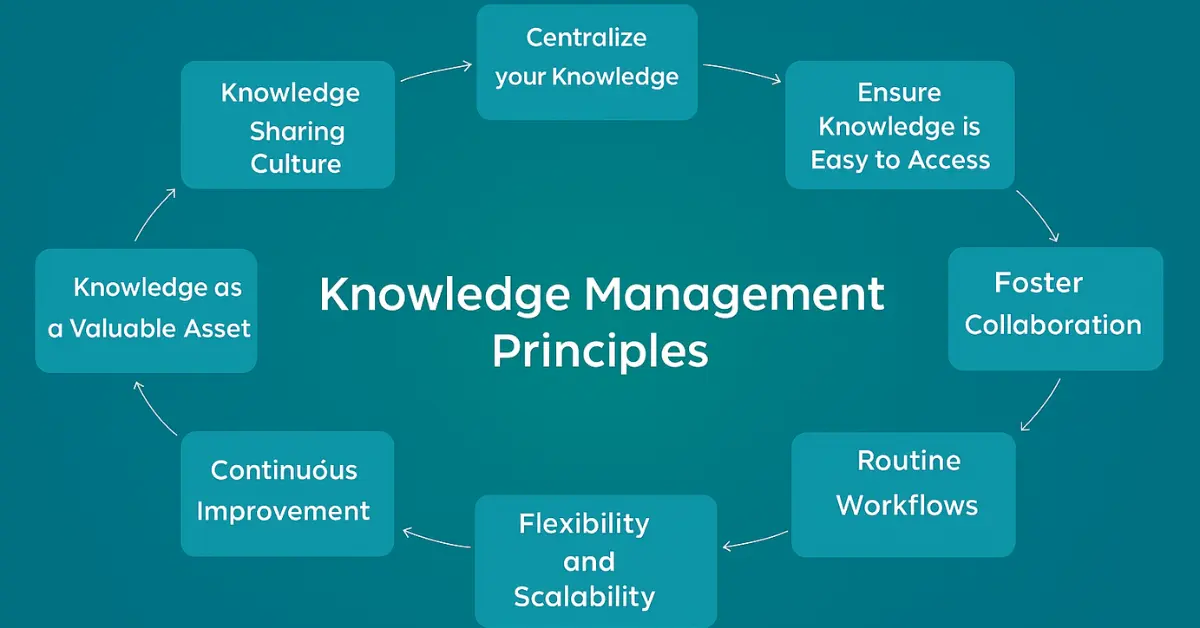
Overwhelmed by the sheer volume of information in your organization? You’re not alone. A survey by McKinsey revealed that employees spend 1.8 hours every day—9.3 hours per week, on average—searching and gathering information. This staggering amount of lost productivity underscores the need for streamlined knowledge management solutions.
Effective knowledge management is not just about storing information but making it easily accessible and useful. Implementing the right knowledge management strategy can significantly enhance collaboration and efficiency. Below, find out how you can transform your company’s data chaos into a structured powerhouse of information.
Struggling to Organize Information: Discover Effective Knowledge Management Solutions
Effective knowledge management begins with acknowledging the complexity of handling vast amounts of data. This is where a structured approach comes into play. By categorizing, tagging, and indexing information, you can make it searchable and retrievable.
Digital solutions like content management systems (CMS) and collaboration tools can serve as the backbone for your organizational needs. For example, a CMS can provide a centralized repository for all documents, making sure information is up-to-date. With such systems in place, data redundancy and time wasted looking for information are significantly reduced.
Begin by conducting an audit of the current state of information within your organization. Identify what’s working, what’s not, and what’s missing. Prioritize the integration of knowledge management strategies knowledge management platforms that encourage sharing and collaboration, while ensuring that sensitive data remains secure.
Streamline Your Data with These Knowledge Management Tools
A variety of knowledge management tools are available to streamline your information databases. These tools often include features like search functions, document control, and collaboration capabilities. They range from full-fledged enterprise systems to specialized software targeting specific aspects of knowledge management.
Knowledge management systems like Evernote or Microsoft SharePoint can help organize notes, articles, and documents, while more comprehensive suites like Atlassian Confluence or Trello offer workflows and project collaboration features. Integration capabilities are key, ensuring different tools can talk to each other smoothly and data does not become siloed.
To select the right tools, assess your specific needs based on your organizational structure and workflow. Plan for an implementation period and train your staff on the new tools, emphasizing the importance of updated data entry and maintenance to keep the knowledge base reliable.
Implementing Knowledge Management Practices for Enhanced Productivity
Adoption of best practices in knowledge management can lead to a more productive and agile workforce. Establishing clear protocols for data storage, retrieval, and sharing ensures consistency across the organization.
Encourage a culture of knowledge sharing by incentivizing team members to contribute to and utilize the knowledge base. Training sessions on how to effectively use the knowledge management system should be a part of the onboarding process for new employees and a regular refresher for all staff.
Continuously evaluate your knowledge management practices for any areas of improvement. Use feedback from employees to identify bottlenecks and make adjustments. Such a practice keeps the system dynamic and responsive to the changing needs of your workforce.
Case Studies: Success Stories of Knowledge Management Implementation
Learning from successful knowledge management implementations can offer valuable insights. Organizations around the globe have transformed their operations by deploying effective strategies and tools for managing their knowledge.
For instance, NASA’s Knowledge Management System has enabled the organization to capture and share critical knowledge among scientists, engineers, and project teams, leading to improved decision-making and innovation. Similarly, Accenture credits its comprehensive knowledge management strategy with enhancing its ability to deploy expertise and resources across client projects.
Investigate case studies relevant to your industry to understand the potential benefits and pitfalls. Draw from these examples to tailor a solution that aligns with your objectives, ensuring that your organization doesn’t just collect information but capitalizes on it for competitive advantage.
Ultimately, a well-orchestrated knowledge management system can transform the way an organization operates. By empowering employees to access and leverage collective knowledge, companies can accelerate innovation and maintain a competitive edge in their respective markets. Employing the right strategies, tools, and best practices is the key to turning data overload into a strategic asset.

Efficient search integration is vital for organizations inundated with large volumes of data. When regular search methods falter, HP’s Consolidated Archive promises a solution to streamline and refine the search process, making information retrieval swift and reliable.
For businesses grappling with inefficient data management and delayed decision-making due to search challenges, the value of an integrated archive system cannot be overstated. In this article, we explore how implementing HP’s robust archiving platform could revolutionize your data search capabilities.
Overcoming Search Integration Challenges with HP Consolidated Archive
Recognizing the complexity of search integration demands a dynamic tool capable of handling diverse data structures. HP’s Consolidated Archive stands out with its ability to bridge this gap, offering a unified index for complex data environments. This ultimately enhances search accuracy and efficiency company-wide.
Many companies struggle with disparate silos that obscure data visibility hp consolidated archive integration for search, thus reducing the fragmentation that hinders effective search operations. This consolidation facilitates easier access and a more seamless search experience for end-users.
To capitalize on the benefits of HP’s archive, businesses should prioritize integration with their existing infrastructure. This ensures the power of the archived data is amplified across all search scenarios, supporting various corporate functions with reliable and precise data retrieval.
Streamlining Data Retrieval for Enhanced Business Intelligence
Data is a driver of business intelligence, with search capabilities directly influencing an organization’s agility and competitiveness. HP’s archive system refines data retrieval processes, yielding search results that can inform strategic decisions more effectively.
By centralizing information storage, HP’s archive solution minimizes the time spent in data retrieval. This swiftness not only increases productivity but also enables real-time responses to market changes—a significant advantage for modern enterprises.
Businesses looking to leverage HP’s archiving for data strategy optimization can begin with a phased integration, aligning the archive with prevalent decision-making processes. Doing so ensures that the organization’s stakeholders have timely access to insightful intelligence, thereby refining overall strategy execution.
HP Consolidated Archive: A Solution for Comprehensive Search Needs
HP’s Consolidated Archive doesn’t just facilitate search integration; it redefines it. The system’s extensive search capabilities allow organizations to navigate through an ocean of data with pinpoint precision, satisfying the most demanding search requirements.
The versatility of the platform supports various data types and offers customizable search parameters, which cater to the granular needs of specific projects or investigations. This tailoring capacity assists users in uncovering relevant insights that standard search solutions might overlook.
For organizations seeking comprehensive search solutions, investing in training and understanding HP’s archiving features can lead to remarkable advancements in data utilization. Regularly reviewing search patterns and results can also guide the tweaking of search parameters, further refining the system’s effectiveness over time.
Enhancing Your Search Experience with HP’s Advanced Archiving Features
Advanced features embedded within HP’s archive platform stand to transform the end-user experience significantly. Intelligent search algorithms and intuitive interfaces work in harmony to deliver higher quality search outcomes without the usual complexity or delay.
Among these features, the ability to handle high volumes of data without performance dips is particularly noteworthy. This scalability ensures that businesses can continue to meet growing data needs without revamping their search systems. Moreover, the archive includes robust security measures, ensuring that sensitive data remains protected throughout the search process.
Implementing HP’s advanced archiving and leveraging its complete functionality are essential steps toward optimal user experience. Regular updates and system checks can help maintain the highest level of search efficiency, while user feedback can contribute to continuous improvement of the system’s features.
Ultimately, integrating HP’s Consolidated Archive into an organization’s data ecosystem promises a revolution in the way information is managed and retrieved. Improved search efficiency, enhanced business intelligence, and user experience upgrades are a testament to the platform’s potential to reshape corporate data strategies. By embracing HP’s sophisticated archiving technology, businesses can expect a significant uplift in their operational prowess and decision-making acumen.


Ai Knowledge Management vs Traditional Data Management: Key Factors to Consider

Struggling to Organize Information Try This Effective Knowledge Management Solution

Struggling With Search Integration Try Hp Consolidated Archive for Seamless Results

Somatropin: Benefits, Risks, and How to Safely somatropin kaufen in 2026

Step-by-Step Guide to NADRA Online Applications for UK Residents

How Peptides Can Support Fitness, Recovery, and Fat Loss
-
 Business4 months ago
Somatropin: Benefits, Risks, and How to Safely somatropin kaufen in 2026
-
 Tech5 months ago
Step-by-Step Guide to NADRA Online Applications for UK Residents
-
 Fashion5 months ago
How Peptides Can Support Fitness, Recovery, and Fat Loss
-

 Business5 months ago
How to Keep Your Home Cool While Saving Money
-

 Fashion5 months ago
How to Make Your Move Faster and More Efficient
-

 Tech4 months ago
Why Businesses Are Turning to AI Logo Generators
-

 Business3 days ago
Fax Services vs Email: Which Is Safer for Transmitting Sensitive Healthcare Information
-
 Business3 days ago
Struggling With Search Integration Try Hp Consolidated Archive for Seamless Results