
 By IQnewswire IQnewswire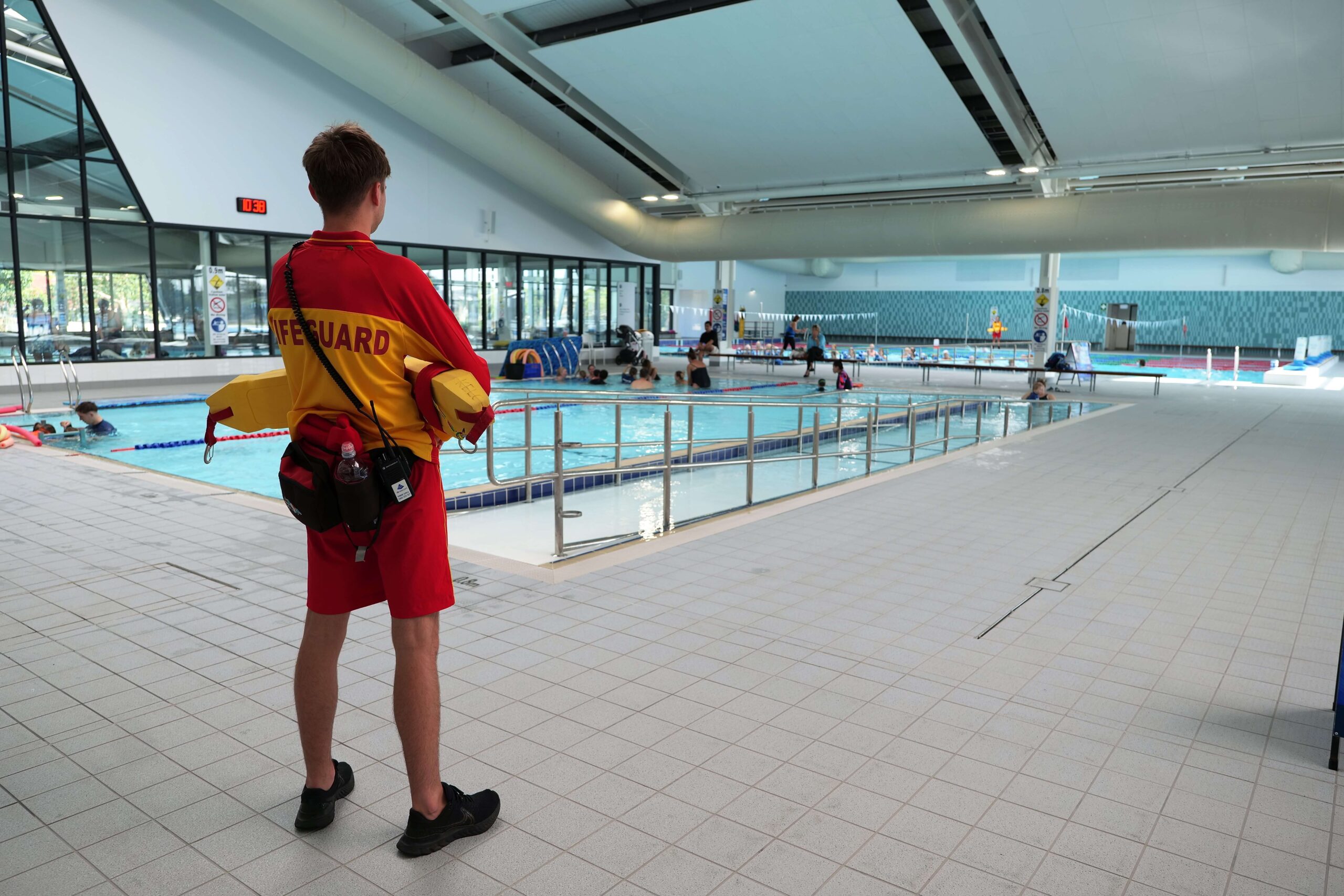
Recent incidents at Florida beaches have highlighted how quickly water conditions can become dangerous. In a single day, nearly 40 people were rescued from powerful rip currents, including children and families caught in rapidly changing ocean conditions. These situations show that even busy and popular beaches can turn risky within moments, especially when people are not fully aware of the dangers around them.
The American Lifeguard Association (ALA) has consistently emphasized that the real risk is not just the water itself, but the lack of awareness and proper response. Rip currents, one of the leading causes of drowning, can easily overwhelm even experienced swimmers. According to ALA guidance, the safest approach is to stay calm, avoid fighting the current, and swim parallel to the shore until you are free.
These real-world incidents highlight the importance of proper lifeguard training and public education. Lifeguards are trained to act quickly, manage emergencies, and protect lives in high-pressure situations. At the same time, safety is a shared responsibility. With the right training, awareness, and guidance, both lifeguards and the public can help reduce risks and prevent accidents.
What You Learn in Lifeguard Courses
Understanding the Danger of Rip Currents
- Rip currents are a leading cause of drowning in open water.
- The correct response is to stay calm and swim parallel to shore.
Importance of Constant Supervision
- Children and families are often the most at risk.
- Even a few seconds of distraction can lead to serious danger.
Why Trained Lifeguards Matter
- Lifeguards are trained to handle high-risk and crowded situations.
- Untrained rescue attempts can increase danger instead of reducing it.
The Role of Public Awareness
- Overconfidence and distraction increase risks at beaches.
- Following safety guidelines and lifeguard instructions is essential.
Lifeguard Training Requirements
Before starting your lifeguard training, you must pass basic physical tests to ensure you’re fit for the job. These tests include:
- Minimum age: 15 years’ old
- Swim 300 yards continuously using front crawl or breaststroke
- Tread water for 2 minutes using only your legs
- Retrieve a 10-pound weight from a 10-foot depth and swim back to the surface holding it
These exercises ensure you are prepared for real-life rescues. If you’re new to swimming or need to improve, take time to practice before enrolling.
Career Opportunities After Lifeguard Courses
Once you are certified, opportunities wait in various sectors:
- Public Pools: Seasonal work, perfect for students
- Private Clubs: Year-round positions
- Waterparks: Large resorts with many employment opportunities
- Beaches: Advanced training for open water lifeguards
Three-Day Intensive Course Timeline
Most ALA lifeguard courses follow a three-day schedule.
- Day One. You focus on swimming endurance and water entries. You practice the approach stroke and surface dives.
- Day Two. You focus on rescue maneuvers and victim carries. You spend most of the day in the pool practicing extractions.
- Day Three. You focus on medical scenarios and testing. You can easily pass the exam with 80% or more marks. You must also demonstrate perfect skill execution during the final practical assessment.
Technical Mastery: In-Water Rescue Maneuvers
Professional lifeguard courses prioritize physical rescues. You learn specific entries like the stride jump and the compact jump. These allow you to enter the water without losing sight of a victim.
- Active Victim Rescues. You approach a conscious, struggling swimmer. You use the rescue tube to support their weight while keeping yourself at a safe distance.
- Passive Victim Rescues. You submerge to reach an unconscious person. You bring them to the surface and immediately check for breathing while moving toward the pool deck.
- Spinal Injury Management. You master the head splint and the head-and-chin support. These techniques stabilize the neck during a suspected spinal injury.
- Extraction Methods. You practice pulling victims out of the water using backboards or the two-person lift.
Recertification and Skill Retention
Your certification remains valid for two years. You must attend a renewal class before your current card expires. The American Lifeguard Association offers streamlined recertification for current guards. These courses focus on skill refreshes and updated medical guidelines. Do not let your license lapse. Employers require valid credentials to keep you on the schedule.
Enrolling in ALA lifeguard courses is a commitment to public safety. You protect lives and ensure your community enjoys the water safely. Visit the American Lifeguard Association website. Select your training location. Register today. Start your journey as a professional rescuer now. Your training begins today.