
 By admin@seaislenews.org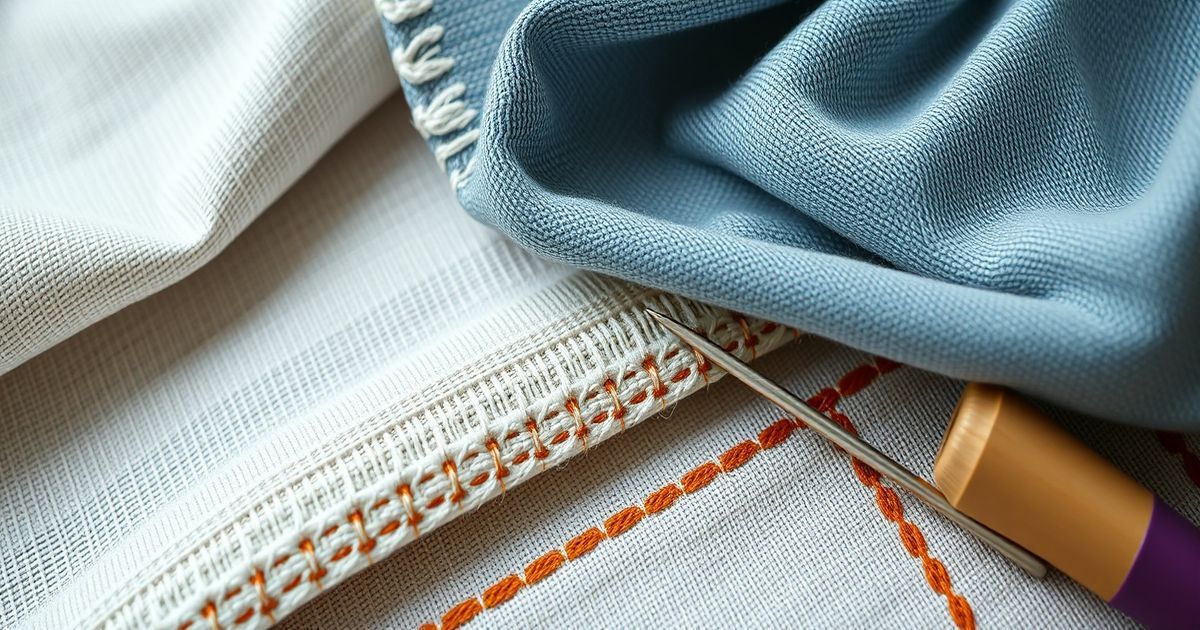
In the world of textiles, fashion, and industrial manufacturing, the choice of seam—or nahttypen in German—can make a profound difference in durability, aesthetics, and functionality. For entrepreneurs and tech professionals involved in product development, understanding nahttypen is not just a technical detail; it is a strategic decision that impacts quality, efficiency, and customer satisfaction. From clothing startups to high-tech material applications, mastering the different seam types can provide a competitive edge.
Seam selection influences the strength, flexibility, and appearance of products, whether in apparel, automotive interiors, or even industrial fabrics. By grasping the nuances of nahttypen, businesses can reduce production errors, optimize workflows, and deliver superior products.
What Are Nahttypen and Why They Matter
Nahttypen refers to the various ways fabric or materials can be joined together during manufacturing. Different seam types serve different purposes, from creating stretchable clothing to ensuring waterproof construction or enhancing aesthetic appeal. Each seam type involves distinct stitching methods, thread choices, and structural design considerations.
For startups and manufacturers, choosing the appropriate seam type ensures product reliability, reduces material waste, and enhances brand reputation. Misaligned choices in nahttypen can lead to defective products, increased returns, and lower customer satisfaction.
Key Types of Nahttypen
Understanding the most common nahttypen is essential for design and production teams. Below is a practical overview of key seam types and their applications:
| Nahttyp | Description | Typical Application |
| Straight Stitch (Geradstich) | Basic seam, strong and versatile | Apparel, home textiles |
| Overlock Stitch (Overlocknaht) | Edges are trimmed and secured simultaneously | Knitwear, stretch fabrics |
| Flat-Felled Seam (Kappnaht) | Two layers folded and stitched flat | Jeans, workwear |
| French Seam (Französische Naht) | Fabric edges enclosed for a clean finish | Luxury garments, lingerie |
| Blind Stitch (Blindnaht) | Minimal visible stitching on surface | Hems, decorative seams |
| Zig-Zag Stitch (Zickzacknaht) | Flexible seam for stretch fabrics | Sportswear, elastic garments |
These seam types demonstrate the diversity of nahttypen and highlight how different methods align with various functional and aesthetic needs.
Real-World Relevance for Startups and Tech Professionals
For fashion startups, the correct selection of nahttypen can influence production speed, material efficiency, and overall product quality. Consider a sustainable apparel brand using organic fabrics: the wrong seam choice could compromise fabric integrity, leading to shorter garment lifespan. By understanding seam types, founders can better guide production decisions and negotiate effectively with manufacturers.
In tech-driven manufacturing, such as wearable technology or automotive interiors, nahttypen determines not only visual appeal but also functionality. For example, a waterproof seam is critical in outdoor gear, while a decorative French seam might enhance the premium feel of high-end textiles.
Factors to Consider When Choosing Nahttypen
Selecting the appropriate seam type involves evaluating multiple factors:
- Fabric Type: Stretch fabrics require flexible seams like zig-zag or overlock, while woven fabrics can use straight or flat-felled seams.
- Product Function: Activewear, waterproof jackets, and delicate garments each have unique seam requirements.
- Aesthetic Considerations: Visible seams can be part of the design, while invisible seams suit luxury products.
- Production Efficiency: Some seams require more time or skill; startups must balance quality and cost.
- Durability Needs: Workwear or technical textiles demand strong, reinforced seams to ensure longevity.
A careful evaluation ensures that nahttypen aligns with product goals, operational constraints, and customer expectations.
Case Study: Seam Selection Impact
A German fashion startup specializing in performance wear experienced high product returns due to seams tearing under stress. By consulting experts on nahttypen, the company transitioned from straight stitches to reinforced overlock and flat-felled seams in high-stress areas. The result was:
- 30% reduction in product returns
- Enhanced customer satisfaction and brand reputation
- Optimized production process with minimal additional cost
This illustrates how seam knowledge directly affects business outcomes.
Best Practices for Managing Nahttypen in Production
- Prototype Testing: Experiment with different seam types on sample products to assess strength and aesthetics.
- Training Teams: Ensure production staff understand the technical requirements and application of each seam type.
- Quality Control: Regular inspections to detect seam failures or misalignment.
- Documentation: Maintain clear guidelines on which nahttypen to use for each product line.
- Technology Integration: Use CAD software or sewing automation tools to maintain consistency across production batches.
By implementing these practices, businesses can leverage nahttypen to ensure high-quality, durable, and aesthetically appealing products.
Conclusion
For startups, entrepreneurs, and tech professionals operating in manufacturing and textile industries, nahttypen is far more than a technical term—it is a critical factor in product quality, operational efficiency, and customer satisfaction. Understanding the different seam types, their applications, and best practices ensures that businesses produce durable, attractive, and market-ready products.
Investing in knowledge of nahttypen allows teams to reduce material waste, optimize production processes, and enhance brand reputation. Ultimately, mastering seam types is a strategic decision that contributes directly to business growth, innovation, and competitive advantage.