
 By admin@seaislenews.org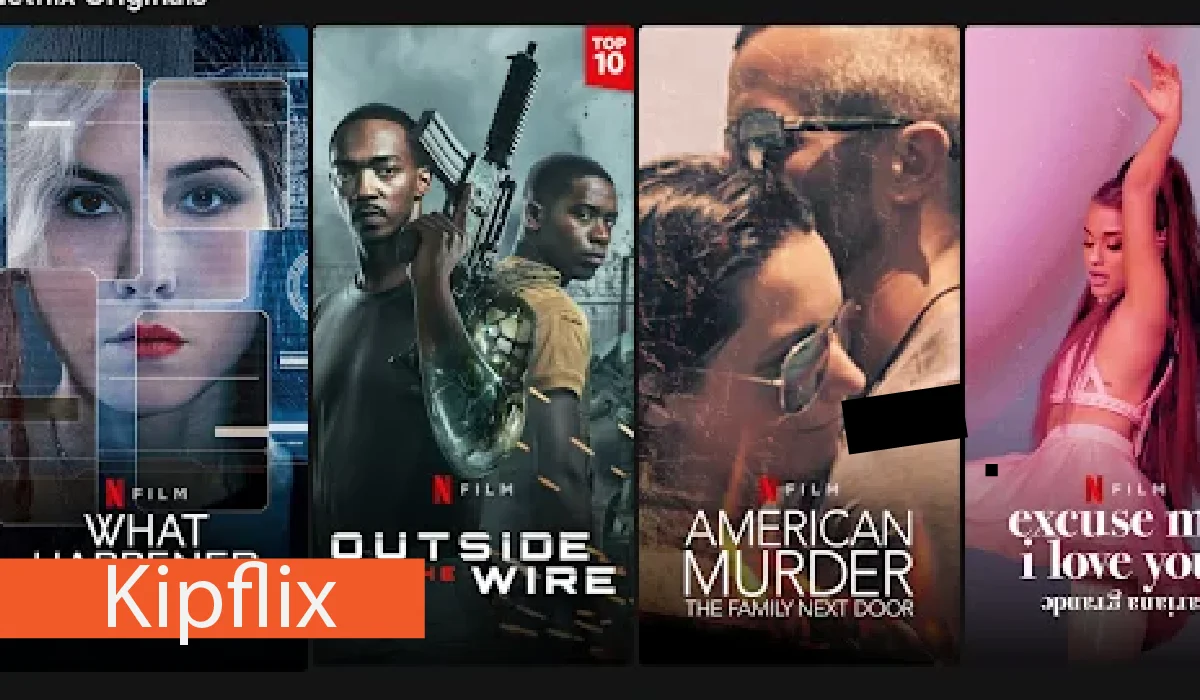
The streaming wars are no longer just about blockbuster budgets and global dominance. While giants battle for mass-market attention, a quieter but more strategic shift is happening beneath the surface. Niche streaming platforms are emerging with focused audiences, lean operations, and targeted value propositions. In that evolving landscape, kipflix represents a compelling example of how modern streaming concepts can reshape digital entertainment economics.
For startup founders, entrepreneurs, and tech professionals, kipflix is not simply a content platform. It reflects broader shifts in subscription models, digital distribution, and community-driven media. The rise of niche streaming platforms offers lessons in positioning, scalability, and sustainable growth.
This article explores the strategic relevance of kipflix, what it signals about the streaming industry’s future, and how entrepreneurs can apply similar principles within their own ventures.
The Evolution of Streaming and the Rise of Focused Platforms
The first wave of streaming was dominated by scale. Companies such as Netflix and Amazon Prime Video invested billions in original content to attract global audiences. Their strategy centered on volume—more shows, more movies, more genres.
However, scale comes with significant overhead. Licensing fees, production costs, infrastructure demands, and marketing budgets create enormous financial pressure. As competition intensifies, profitability becomes more challenging.
This environment creates space for specialized platforms like kipflix. Instead of chasing everyone, niche platforms focus on specific audiences. They curate rather than overwhelm. They build communities instead of broadcasting to anonymous masses.
For digital entrepreneurs, this shift reveals a powerful truth: focus often beats scale in emerging markets.
What Kipflix Represents in the Digital Economy
Kipflix symbolizes the move toward targeted streaming ecosystems. Rather than competing head-to-head with global entertainment conglomerates, niche platforms identify underserved audiences and deliver highly relevant content experiences.
In practical terms, this approach lowers customer acquisition costs and strengthens retention. When content resonates deeply with a defined audience, churn rates decline.
The subscription economy depends heavily on retention metrics. Acquiring subscribers is expensive. Keeping them is strategic.
Kipflix demonstrates how alignment between content identity and audience expectations can build loyalty in a crowded digital marketplace.
Subscription Models and Revenue Strategy
Streaming platforms operate primarily on subscription-based revenue models. However, not all subscriptions are equal. Mass-market platforms depend on continuous content production to justify monthly fees.
Niche platforms like kipflix can operate differently. With focused content categories, production budgets may remain leaner. Licensing strategies can be more targeted.
Additionally, hybrid models often emerge. Subscription tiers, ad-supported plans, exclusive content upgrades, or bundled partnerships diversify revenue streams.
The table below highlights how niche streaming platforms compare to large-scale streaming services:
| Feature | Mass-Market Streaming | Niche Platform (Kipflix Model) |
| Audience Scope | Broad global market | Targeted community focus |
| Content Volume | High output | Curated selection |
| Production Budget | Extremely high | Controlled and strategic |
| Retention Strategy | Continuous releases | Deep audience alignment |
| Brand Identity | General entertainment | Specialized positioning |
For founders evaluating subscription-based ventures, this comparison illustrates how strategic focus can reduce risk while enhancing loyalty.
Technology Infrastructure Behind Platforms Like Kipflix
Streaming is fundamentally a technology business. Behind every seamless viewing experience lies complex infrastructure: cloud hosting, content delivery networks, compression algorithms, and user interface optimization.
Companies like YouTube revolutionized video distribution by optimizing scalability and latency. Today’s platforms build upon those innovations.
Kipflix must rely on efficient streaming protocols, adaptive bitrate technology, and scalable backend systems to ensure performance consistency.
For tech professionals, this highlights a key principle: digital product quality directly influences brand perception. Buffering issues, slow load times, or unreliable playback can erode trust quickly.
Infrastructure is invisible when it works—but devastating when it fails.
Audience Community as a Strategic Asset
Modern streaming platforms increasingly prioritize community engagement. Audiences want interaction, behind-the-scenes insights, and direct creator access.
Niche platforms like kipflix have an advantage here. Smaller, focused communities are easier to engage authentically.
Community engagement may include live Q&A sessions, exclusive member forums, or curated discussion channels. These touchpoints deepen loyalty and extend lifetime customer value.
For entrepreneurs, this model reinforces the idea that platforms are not just content distributors—they are ecosystems.
When users feel connected, subscription becomes identity rather than transaction.
Content Strategy: Quality Over Quantity
In the streaming economy, quantity once drove competition. Today, oversaturation has created fatigue.
Kipflix represents a more intentional approach. By curating specific genres or thematic categories, it reduces noise and increases clarity.
Clear identity simplifies marketing. Instead of vague messaging about “something for everyone,” niche platforms communicate purpose directly.
For example, consider how HBO built its brand around prestige storytelling. Focused identity strengthens brand recall.
Entrepreneurs can apply this lesson across industries: specialization fosters authority.
Data Analytics and Personalization
Streaming platforms generate vast behavioral datasets. Viewing duration, pause frequency, search behavior, and genre preferences inform recommendation engines.
Personalization drives engagement. When users discover relevant content quickly, satisfaction increases.
Kipflix likely leverages analytics to refine user experience. However, smaller platforms often possess an additional advantage: agility.
Large corporations move slowly due to scale. Smaller platforms adapt quickly to audience feedback.
Data-driven iteration enables rapid optimization—an advantage familiar to startup founders.
Competition in the Streaming Landscape
The streaming market remains intensely competitive. Beyond major players like Disney+, numerous independent platforms compete for niche audiences.
Differentiation becomes critical. Competing solely on price creates a race to the bottom. Competing on identity builds sustainability.
Kipflix must maintain a clear brand narrative to avoid blending into the crowded digital environment.
For entrepreneurs observing this sector, the key takeaway is positioning clarity. Markets reward distinct value propositions.
Monetization Beyond Subscriptions
Although subscriptions form the backbone of streaming revenue, diversification strengthens resilience.
Additional revenue streams may include merchandise, event partnerships, licensing agreements, or premium content tiers.
The creator economy has shown that diversified monetization enhances stability. Platforms like Patreon demonstrate how community support can complement subscription models.
Kipflix’s long-term sustainability may depend on similar diversification strategies.
Founders building digital platforms should consider layered revenue structures from the outset.
Regulatory and Licensing Considerations
Streaming platforms must navigate complex licensing agreements and regulatory environments. Content rights vary across regions. Intellectual property compliance requires meticulous management.
Smaller platforms sometimes benefit from flexibility, focusing on specific geographic markets or independent creators.
However, compliance remains non-negotiable. Legal missteps can jeopardize growth.
Tech professionals exploring content platforms must prioritize licensing transparency and contractual clarity.
The Broader Implication for Digital Entrepreneurs
Kipflix reflects a broader entrepreneurial shift: success does not require dominating global markets. It requires serving defined audiences exceptionally well.
The internet has fragmented attention into micro-communities. Platforms that cater precisely to those communities can thrive.
For startup founders, the lesson extends beyond streaming. Whether building SaaS tools, marketplaces, or content platforms, clarity and specialization outperform vague ambition.
The digital era rewards precision.
The Future of Niche Streaming
As artificial intelligence improves content recommendation and production tools lower barriers to creation, niche platforms will likely multiply.
Audience fragmentation will continue. Consumers increasingly seek tailored experiences over generic entertainment bundles.
Kipflix represents this trajectory. Focused identity, agile infrastructure, community engagement, and diversified monetization define its strategic potential.
Streaming is evolving from mass distribution toward micro-ecosystems.
Entrepreneurs who recognize this shift early can position themselves advantageously.
Conclusion: Kipflix as a Blueprint for Focused Digital Growth
Kipflix is more than a streaming concept. It illustrates how modern digital platforms can succeed without chasing scale for its own sake.
By prioritizing niche alignment, infrastructure reliability, data-driven iteration, and community connection, platforms like kipflix demonstrate sustainable growth principles.
For startup founders and tech professionals, the message is clear. The future belongs not only to giants but to focused innovators who understand their audiences deeply.
In an overcrowded digital world, clarity is competitive advantage. Kipflix embodies that advantage—proving that in streaming and in startups, precision beats volume.