
 By admin@seaislenews.org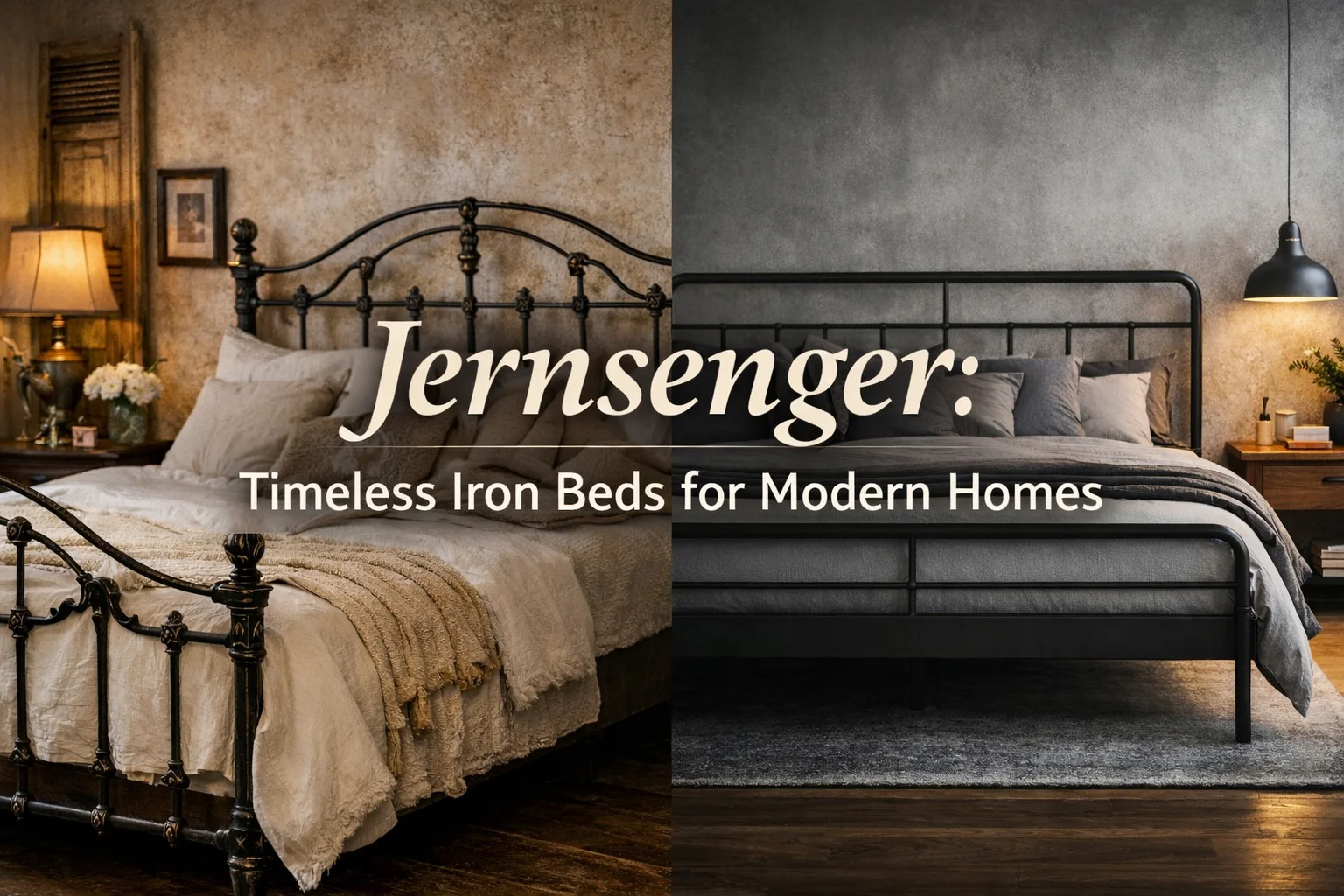
In an era where interior design balances aesthetics, durability, and sustainability, materials once considered purely industrial are finding renewed purpose. Jernsenger—the Scandinavian term for iron beds—represent more than furniture. They reflect a broader design philosophy that merges strength, minimalism, and timeless appeal.
For startup founders in home décor, product designers, and digital entrepreneurs exploring physical product lines, jernsenger offer an instructive case study. They demonstrate how heritage craftsmanship can be repositioned for modern markets driven by sustainability, urban living, and conscious consumption.
Iron, after all, is not a new material. What is new is how it is being framed.
The Historical Roots of Jernsenger
Iron beds first gained popularity in Europe during the 19th century. They were valued for hygiene, durability, and resistance to pests—important considerations before modern materials and treatments became widely available.
In Scandinavian countries, simple iron bed frames became staples in rural homes and later in urban apartments. Their clean lines and understated structure aligned with the minimalist principles that would later define Nordic design.
Today, those same principles continue to influence global aesthetics. Brands like IKEA popularized functional, affordable furniture rooted in Scandinavian simplicity. While mass production dominates certain segments, a renewed appreciation for craftsmanship has elevated interest in high-quality jernsenger once again.
Why Jernsenger Are Trending Again
Modern consumers are rethinking furniture choices. Disposable, particleboard-heavy products often lack longevity. Sustainability concerns are reshaping buying decisions, particularly among younger urban professionals.
Iron frames offer durability measured in decades rather than years. Unlike wood composites, properly treated iron resists warping and cracking. When coated effectively, it also resists corrosion.
Jernsenger align with three powerful trends:
Longevity over disposability.
Minimalist aesthetics.
Material authenticity.
In small apartments and compact city living spaces, slim iron frames provide visual openness without sacrificing strength. The structural transparency of jernsenger makes rooms feel larger—an underrated but valuable design attribute.
The Engineering Advantages of Jernsenger
From a product design perspective, iron offers exceptional load-bearing capacity. This allows manufacturers to create thinner, elegant frames without compromising structural integrity.
Unlike bulky wooden beds, iron frames often require fewer support components. This reduces material usage and simplifies assembly.
Here is a comparison highlighting why jernsenger appeal to modern manufacturers and consumers:
| Feature | Solid Wood Beds | MDF/Composite Beds | Jernsenger (Iron Beds) |
| Durability | High | Moderate | Very High |
| Weight | Heavy | Moderate | Moderate-Heavy |
| Longevity | Long-lasting | Short to Medium | Decades with care |
| Maintenance | Moderate | Low | Low |
| Sustainability | Depends on sourcing | Limited | Highly recyclable |
| Design Flexibility | Moderate | Limited | High (molded & welded) |
Iron’s recyclability also strengthens its environmental case. Unlike synthetic composites, metal can be repurposed repeatedly without significant degradation.
For startups focused on eco-conscious branding, this matters.
Jernsenger and Sustainable Manufacturing
Sustainability is no longer optional. Consumers expect transparency in sourcing and production.
Iron is one of the most recycled materials globally. According to industry trends influenced by global steel leaders like ArcelorMittal, advancements in recycled metal processing continue reducing environmental impact.
A jernsenger manufacturer can emphasize:
Recycled steel sourcing.
Powder-coated finishes with reduced chemical waste.
Modular construction for easy disassembly and transport.
These practices support circular economy principles.
For founders building direct-to-consumer furniture brands, sustainability messaging is not just marketing—it is differentiation.
Design Versatility in Modern Interiors
Jernsenger are no longer confined to traditional aesthetics. Contemporary interpretations range from ornate vintage-inspired curves to ultra-minimalist industrial frames.
In Scandinavian-inspired interiors, iron beds often pair with neutral linens, light wood floors, and textured fabrics. In industrial loft spaces, black matte iron frames complement exposed brick and concrete surfaces.
Global design influence from cities such as Copenhagen and Stockholm continues shaping minimalist interior trends.
For entrepreneurs, this versatility expands market reach. A single structural material can adapt to multiple visual identities.
The E-Commerce Opportunity for Jernsenger
The furniture industry has undergone significant digital transformation. Online-first brands disrupted traditional showrooms by optimizing logistics and direct shipping.
Companies like Wayfair demonstrated that consumers are willing to purchase large furniture items online when trust and reviews are strong.
Jernsenger offer advantages for e-commerce:
Durable packaging potential due to structural strength.
Modular assembly for flat-pack shipping.
Lower breakage risk compared to fragile wooden components.
Founders entering this segment must focus on assembly clarity. Clear instructions and intuitive design improve customer satisfaction and reduce returns.
Operational efficiency determines profitability in furniture startups.
Branding and Emotional Appeal
Beds are not just furniture; they represent comfort, rest, and security. Successful jernsenger brands do more than sell metal frames—they sell lifestyle.
Visual storytelling becomes critical. Lifestyle photography that showcases airy bedrooms, natural light, and layered textures builds aspiration.
Minimalist branding reinforces the timeless nature of iron furniture. When positioned correctly, jernsenger evoke stability and permanence—qualities increasingly valued in uncertain times.
Consumers often associate metal furniture with durability and reliability. That psychological association strengthens perceived value.
Challenges in Scaling a Jernsenger Business
Despite strong potential, scaling iron bed production requires strategic planning.
Manufacturing involves welding, finishing, and quality inspection processes that demand skilled labor. Shipping costs for heavier materials must be optimized.
Additionally, maintaining consistent coating quality prevents corrosion issues that could damage brand reputation.
Startups must build relationships with reliable fabrication partners and invest in rigorous quality control systems.
Product longevity becomes a competitive advantage only if execution matches promise.
Innovation in Smart Furniture Integration
As smart home technology expands, even traditional furniture categories are evolving. Integrating USB ports, lighting systems, or modular storage into jernsenger frames introduces new differentiation opportunities.
Modern consumers expect functionality layered with aesthetics. By combining iron structures with discreet tech features, founders can bridge traditional craftsmanship with digital convenience.
This convergence of hardware design and interior innovation mirrors broader industry patterns seen in companies blending engineering with lifestyle branding.
The future of jernsenger may be both classic and connected.
Conclusion: Why Jernsenger Represent Strategic Opportunity
Jernsenger illustrate how traditional materials can find renewed relevance in modern markets. Their durability, recyclability, and aesthetic versatility align with contemporary design values and sustainability priorities.
For entrepreneurs and product innovators, iron beds offer more than functional appeal—they provide strategic differentiation in a crowded furniture landscape.
In a world increasingly dominated by temporary trends and disposable goods, permanence becomes powerful. Jernsenger embody that permanence, standing as a reminder that strength, simplicity, and thoughtful design never go out of style.