
 By admin@seaislenews.org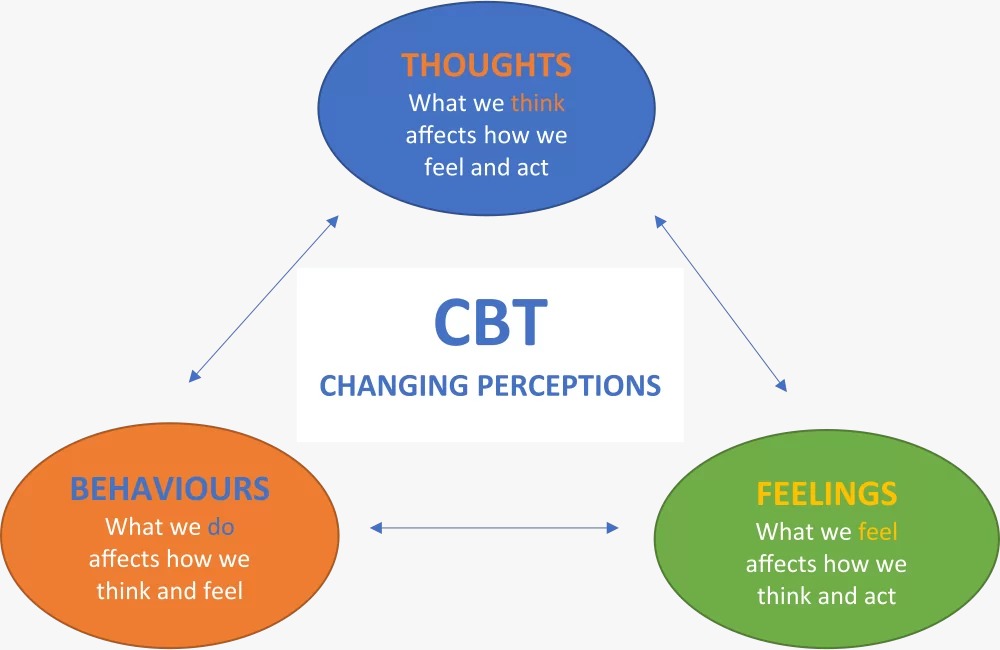
Panic attacks may seem frightening. Your heart pounds. Your chest tightens. You struggle to breathe. You can believe that you are losing control or even dying. It is a surprise, and it is imposing.
Panic attacks are, however, not weaknesses. They are strong stress reactions that are caused by the brain. The positive thing is that the brain is changeable. One of the most effective treatments is CBT for panic attacks. It does not just decrease symptoms. It aids in reworking panic reactions at their beginning. How this works is something we should investigate.
How It Works in a Panic Attack.
The first step to know about treatment is understanding the problem. The onset of a panic attack takes place within the alarm system of the brain. The Amygdala identifies danger or perceived danger. It transmits signals that trigger the fight-or-flight response. The body is overwhelmed with stress hormones.
Your heart beats faster. You start breathing shallowly. Muscles tighten. This alarm system is too sensitive for a victim of panic disorder. It perceives normal body sensations as danger. An elevated rate of heartbeat can be experienced as a heart attack. The light dizziness can be the feeling of fainting.
Fear spawns the sensations, and a cycle is born. The greater the fear about the symptoms, the stronger it becomes. In the long run, the brain is conditioned to panic very fast and strongly.
It is here that cognitive behavioral therapy comes in.
The Science of CBT of Panic Attacks.
CBT of panic attacks is founded on the premise that thoughts, feelings, and behaviors are intertwined. When we modify one element of the cycle, we are able to modify the entire experience.
CBT works in two major ways. These alterations transform your way of thinking about panic, as well as your reaction to physical experiences. Both changes reformulate the pathways in the brain.
It has been found that CBT empowers the prefrontal cortex. This component of the brain determines reasoning and decision-making. Meanwhile, it suppresses the hyperactivity of the amygdala. The alarm system becomes less responsive over time.
To the brain, it becomes integrated: sensation is not danger.
Awareness
Education is also a major aspect of treatment. It is always thought that panic attacks just come out of the blue. As a matter of fact, they have a cycle.
It tends to have an inducement. The trigger can be stress, a busy place or even some random body sensation. After that comes a notion: something is wrong. That thought creates fear. Fear enhances physical symptoms. The frightening thought is verified by the more powerful symptoms.
CBT assists individuals in mapping this cycle. When you understand the pattern, you are not so mystified. Knowledge reduces fear.
This understanding is commonly brought out in panic attack counselling sessions where the clients are made to understand that their symptoms, though uncomfortable, are not harmful.
Facing Physical Sensations
Interoceptive exposure is one of the effective instruments of CBT. This involves deliberate induction of moderate physical sensations that replicate panic.
In case a therapist can ask you to turn around on a chair so that you become dizzy, run about to make your heart beat faster, and breathe with a straw to get out of breath.
At first, this sounds scary. But it preaches a meaningful lesson. These sensations are safe.
Your brain gets updated in the process of experiencing them, free of catastrophes. The fear reaction gets attenuated. With time, the sensations become weakened. This is the literal rewiring of panic reactions by CBT.
Reducing Avoidance
Avoidance feeds panic. When you never visit those crowded places, you never drive or go to those places in society, then your brain will never be trained to know that it is safe.
CBT promotes progressive exposure. You create a fear ladder. You begin with the situations that result in some slight anxiety. Then you slowly move upward.
Every achievement brings confidence. Every time the exposure occurs, it sends a signal to the brain: I can do this. Avoidance shrinks. Freedom grows.
The Spiritual Side of Healing.
It is a personal experience, although science describes the process. A lot of individuals are embarrassed by their panic attacks. They fear that people will judge them. They can cancel or break up with others.
During treatment, they find out that there are others like them. They get to know that panic is a widespread and curable disorder. Such an understanding is a relief.
Counselling on panic attacks offers support, organization, and motivation. It provides a secure environment to learn new skills. With time, there is no longer a fear to rule the day.
Long-Term Brain Change
Brain imaging research reveals actual brain developments following CBT. Fear centres activity becomes less. Emotional control becomes better. The brain is made less responsive to stress.
This is referred to as neuroplasticity. The brain is capable of a self-organizing process. New connections form. Old fear circuits weaken.
The better the new pathways are developed through the practice of CBT skills. It is like building muscle. Strength is produced through repetition.
Hope for the Future
Panic attacks may be debilitating. But they are not permanent. The brain can acquire a new response with the help of the right tools.
CBT for panic attacks does not simply control symptoms. It teaches you not to ignore them, but to confront them and diminish their strength. With the help of organized methods and counselling of panic attacks, a great number of people recover their confidence and independence.
The process of recovery is not about no longer feeling anxious. It is concerned with the way of reacting to anxiety in a calm and articulate way.
The panic response was developed by your brain. It can also be unlearned through guidance and practice. And that fact gives actual hope.