
 By abdull rahman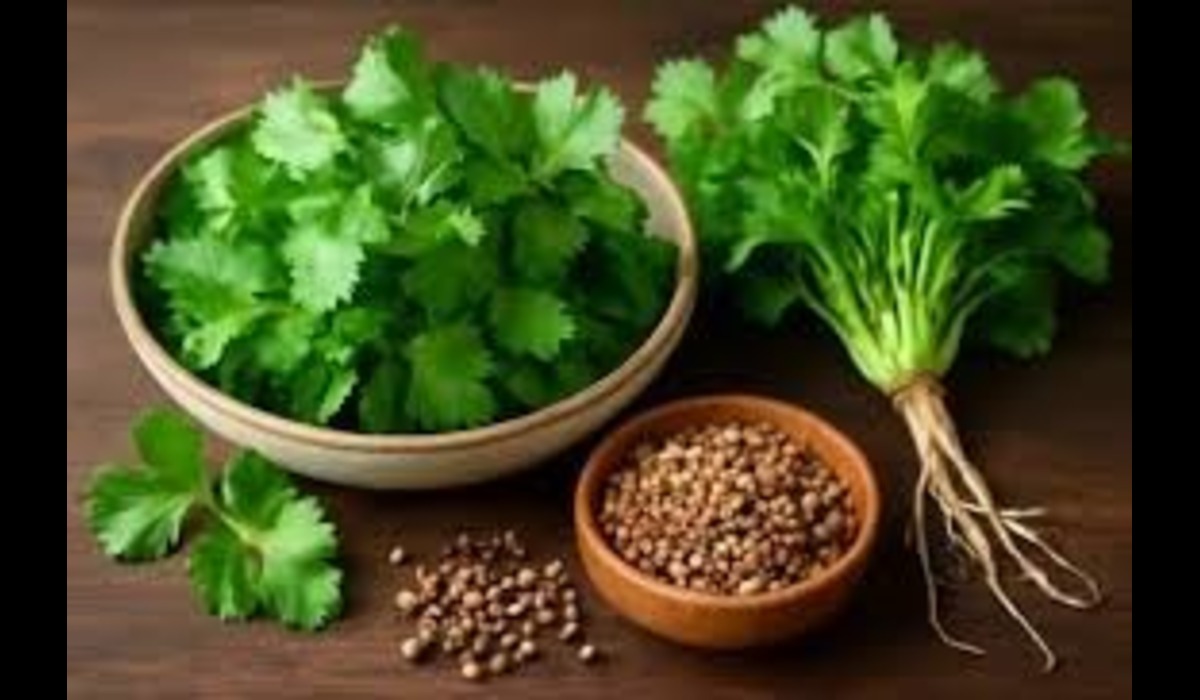
In a world obsessed with cutting-edge technologies and disruptive startups, it’s easy to overlook the quiet power of something as simple as a herb. Yet koriandri—known globally as coriander—sits at a fascinating intersection of culture, health, and commerce. From ancient trade routes to modern supply chains, koriandri has evolved far beyond a kitchen staple. Today, it represents a compelling case study in how traditional products can unlock innovation, inspire entrepreneurship, and thrive in a digital-first economy.
For startup founders, tech professionals, and digital entrepreneurs, understanding koriandri isn’t just about food—it’s about recognizing opportunity where others see the ordinary.
What Is Koriandri and Why Does It Matter?
Koriandri refers to the seeds and leaves of the coriander plant, widely used in culinary traditions across Asia, the Middle East, Europe, and Latin America. While the leaves are often called cilantro, the seeds—koriandri—carry a distinct flavor profile that blends citrusy, nutty, and slightly sweet notes.
But its importance goes beyond taste. Koriandri has been a part of global trade for centuries, valued not only for its culinary appeal but also for its medicinal properties. Today, it plays a growing role in industries such as food processing, pharmaceuticals, cosmetics, and even wellness tech.
In an era where consumers demand authenticity, traceability, and health-conscious products, koriandri offers a powerful narrative: natural, versatile, and globally recognized.
The Business Case for Koriandri
At first glance, koriandri may not seem like a high-growth business category. However, the data tells a different story. The global spice market continues to expand, driven by rising demand for organic ingredients, international cuisines, and functional foods.
Entrepreneurs are increasingly tapping into koriandri’s potential by reimagining how it is sourced, packaged, and delivered. From direct-to-consumer spice brands to AI-driven agricultural platforms, koriandri is becoming a vehicle for innovation.
Key Market Drivers
| Factor | Impact on Koriandri Market | Opportunity for Startups |
| Health Trends | Rising demand for natural and functional ingredients | Develop wellness-focused products |
| Global Cuisine Popularity | Increased use in diverse recipes | Launch niche culinary brands |
| E-commerce Growth | Easier global distribution | Build direct-to-consumer channels |
| Sustainable Farming | Demand for ethical sourcing | Invest in transparent supply chains |
| Food Tech Innovation | Integration with smart cooking tools | Create tech-enabled culinary experiences |
This table highlights a critical insight: koriandri is not just a commodity—it’s a platform for differentiation.
Koriandri in the Age of Digital Transformation
Digital transformation has reshaped nearly every industry, and agriculture is no exception. Koriandri production is increasingly influenced by data analytics, IoT devices, and blockchain technology.
Farmers are using smart sensors to monitor soil conditions, ensuring optimal yield and quality. Blockchain solutions are being implemented to track koriandri from farm to table, addressing consumer concerns about authenticity and sustainability.
For tech entrepreneurs, this opens up a range of possibilities. Imagine a platform that allows consumers to scan a QR code and trace their koriandri back to the exact farm where it was grown. Or an AI-powered app that recommends recipes based on the spices you already have at home.
These are not futuristic ideas—they are already being explored by startups worldwide.
Health, Wellness, and the Rise of Functional Foods
One of the most compelling aspects of koriandri is its alignment with modern health trends. Consumers today are not just eating for taste—they are eating for function.
Koriandri is rich in antioxidants and has been associated with benefits such as improved digestion, reduced inflammation, and better blood sugar control. While scientific research is ongoing, the perception of koriandri as a “super spice” is gaining traction.
This perception creates a unique opportunity for product innovation. Startups can incorporate koriandri into:
- Nutritional supplements
- Herbal teas
- Functional snacks
- Plant-based products
By positioning koriandri as a wellness ingredient, businesses can tap into a rapidly growing market segment.
Supply Chain Innovation and Sustainability
Modern consumers are increasingly concerned about where their products come from. This is particularly true for food items, where issues such as pesticide use, fair trade, and environmental impact are top of mind.
Koriandri offers a strong foundation for building transparent and sustainable supply chains. Many regions that produce koriandri—such as South Asia and North Africa—are investing in sustainable farming practices.
Startups can differentiate themselves by:
- Partnering directly with farmers
- Ensuring fair pricing and ethical sourcing
- Using eco-friendly packaging
- Providing full supply chain transparency
In a crowded marketplace, these factors can significantly influence purchasing decisions.
Branding Koriandri for the Modern Consumer
One of the biggest challenges—and opportunities—in the koriandri market is branding. Traditionally, spices have been sold as generic commodities with little differentiation. However, modern consumers are drawn to brands that tell a story.
Successful koriandri brands focus on:
- Origin stories (e.g., single-region sourcing)
- Cultural heritage
- Health benefits
- Sustainability practices
By combining these elements with strong digital marketing strategies, startups can transform koriandri from a basic ingredient into a premium product.
For example, a brand could highlight how its koriandri is sourced from small-scale farmers using traditional methods, then package it in sleek, eco-friendly containers designed for urban consumers.
Koriandri and the Future of Food Tech
Food technology is one of the most exciting areas of innovation today, and koriandri is quietly becoming part of that ecosystem.
From smart kitchens to personalized nutrition, koriandri can play a role in shaping the future of how we cook and eat. Imagine:
- Smart spice dispensers that measure the exact amount of koriandri needed for a recipe
- AI-driven meal planning apps that incorporate koriandri based on dietary goals
- Subscription services delivering curated spice blends featuring koriandri
These innovations may seem niche, but they reflect a broader trend: the convergence of food, technology, and lifestyle.
Lessons for Entrepreneurs
Koriandri offers several valuable lessons for entrepreneurs and business leaders:
First, opportunity often lies in overlooked markets. While everyone is chasing the next big tech trend, there is immense value in rethinking traditional industries.
Second, differentiation is key. Even in a commodity market, branding, storytelling, and innovation can create a competitive edge.
Third, technology can transform any industry. Whether it’s agriculture, logistics, or retail, digital tools can unlock new efficiencies and customer experiences.
Finally, consumer preferences are evolving. Businesses that align with trends such as health, sustainability, and transparency are more likely to succeed.
Challenges to Consider
Despite its potential, the koriandri market is not without challenges. Price volatility, climate change, and supply chain disruptions can impact production and profitability.
Additionally, maintaining consistent quality across different regions can be difficult. For startups, this means investing in quality control and building strong relationships with suppliers.
There is also the challenge of consumer education. While koriandri is widely used, not all consumers are aware of its full range of benefits. Effective marketing and content strategies are essential to bridge this gap.
Conclusion: Why Koriandri Is More Than Just a Spice
Koriandri may seem like a small player in the grand scheme of global business, but its potential is anything but small. It represents a unique blend of tradition and innovation, offering opportunities across multiple industries.
For entrepreneurs, it serves as a reminder that innovation doesn’t always mean inventing something new. Sometimes, it means seeing something familiar in a completely different way.
As the world continues to embrace healthier lifestyles, sustainable practices, and digital transformation, koriandri is well-positioned to thrive. Those who recognize its potential early will not only gain a competitive advantage but also contribute to shaping the future of food, wellness, and global commerce.