
 By admin@seaislenews.org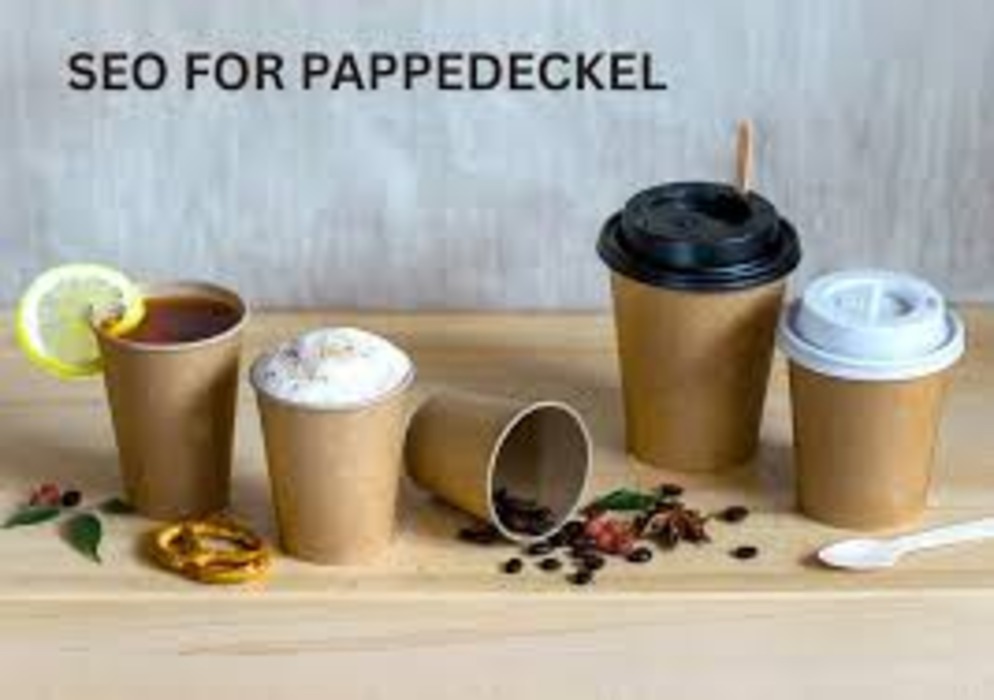
At first glance, the word pappedeckel might not seem like it holds much weight in the grand scheme of business, innovation, or cultural change. It literally refers to a simple cardboard lid — pappe meaning cardboard and deckel meaning lid or cover in German. But as the world increasingly shifts toward sustainability and smarter design, the pappedeckel has quietly become a fascinating case study in how everyday materials can influence packaging trends, consumer expectations, and even brand messaging.
For startup founders, tech professionals, and entrepreneurs exploring sustainable materials or innovative product design, understanding the evolving relevance of a concept like pappedeckel reveals how small design choices ripple through culture, supply chains, and customer experience.
What Is Pappedeckel? Understanding the Basics
The core meaning of pappedeckel comes from its German roots. On a literal level, it means “cardboard lid”—a cover or protective piece made from thick paperboard or pressed paper fibers. This practical object is used in everyday contexts, from covering coffee cups and food containers to serving as protective layers in packaging and even acting as coasters in cafés and beer gardens.
Historically, pappedeckel was a utilitarian solution long before the era of single-use plastics. Early European cafés, street vendors, and food markets relied on cardboard lids and covers because they were lightweight, inexpensive, and functional. Over time, the term came to represent not just a specific object but a category of paperboard lids used widely in food service, shipping, and everyday life.
What makes the pappedeckel especially interesting today is not just how simple it is, but what its continued adoption reveals about shifts in packaging philosophy.
Pappedeckel in Practice: Everyday Uses and Functional Roles
The versatility of a pappedeckel lies in its simplicity. At its most basic, the object serves a functional role: covering, sealing, or protecting. Across industries and day‑to‑day applications, its uses include:
- Acting as lids for take‑out beverages and food containers
- Serving as coasters (such as beer mats in German beer gardens)
- Providing protective layers inside packaging to prevent scratches or damage
- Serving as branding space in cafés and restaurants
These examples underscore how a seemingly minor product can serve multiple practical purposes.
Why the Functional Versatility Matters
When founders evaluate product components, especially in consumer goods, they rarely focus on the smallest items. Yet these components often influence customer perceptions and operational efficiency. A well‑designed pappedeckel, for example, does more than protect goods: it enhances user experience by maintaining hygiene, reducing spills, and providing a tactile, reassuring sense of quality.
This table illustrates key use cases where pappedeckel adds value beyond its basic function:
| Application Context | Role of Pappedeckel | Value Delivered |
| Take‑out Drinks | Cardboard lid for cups | Prevents spills, offers eco‑friendly alternative |
| Food Packaging | Protective cover | Keeps contents clean and secure |
| Breweries & Cafés | Coaster or beer mat | Absorbs condensation, enhances customer experience |
| Shipping & Logistics | Protective insert | Separates and stabilizes packaged products |
In each context, the pappedeckel’s design supports both function and sustainability, showing that lightweight materials can carry outsized impact when applied thoughtfully.
Sustainability: A Core Driver of Pappedeckel’s Relevance
What makes pappedeckel especially significant today is how it aligns with broader sustainability goals. As governments, consumers, and businesses push back against single‑use plastics, materials like cardboard and paperboard are rising in prominence because they are:
- Recyclable and biodegradable: Cardboard breaks down naturally under the right conditions and can be recycled multiple times.
- Lower in environmental impact: The production and disposal of cardboard have a smaller carbon footprint compared with plastic alternatives.
- Compatible with circular economy goals: Cardboard fits well within recycling systems and supports packaging strategies that reduce waste.
In addition to environmental benefits, pappedeckel materials are increasingly used as branding surfaces for companies looking to showcase sustainability. Printing logos, messages, or QR codes on pappedeckel lids allows brands to communicate directly with consumers about their environmental commitments or digital engagement opportunities.
Cultural and Industry Adoption: From Germany to Global Markets
While pappedeckel is a German term, the functionality it describes extends well beyond German‑speaking regions. In Germany, Austria, and Switzerland, cardboard lids and coasters are commonplace in cafés, beer gardens, and food service environments.
In international markets like the United States and UK, the same concept is increasingly popular under different names — such as “fiberboard lids,” “eco‑lids,” or “cardboard coasters.” Sustainability‑focused cafés, zero‑waste shops, and packaging suppliers are adopting these materials to meet evolving consumer demand and regulatory pressure to reduce plastic use.
Compared to plastic or other traditional lid materials, the advantages of pappedeckel materials are clear:
| Feature | Pappedeckel | Plastic Lid |
| Recyclability | High | Variable, often low |
| Biodegradability | Yes | No |
| Environmental Impact | Lower carbon footprint | Higher, persistent pollution |
| Usability | Best for short‑term use | Durable, reusable |
This comparison shows why cardboard lids are gaining traction even in markets where plastic domination was long unchallenged.
Design, Branding, and Future Innovation
For entrepreneurs and product designers, the story of pappedeckel illustrates an important principle: even the smallest design elements can become strategic assets. Because cardboard lids are relatively inexpensive and easy to customize, they offer brands opportunities for:
- Differentiation in retail packaging
- Customer education about sustainability
- Integrated marketing via QR codes or printed messaging
- Enhanced customer experience in retail and hospitality settings
In a competitive environment, such design elements can support emotional engagement and brand storytelling. Customers paying attention to sustainability may choose products with eco‑friendly packaging — and that choice often begins at the smallest details, such as the lid covering their drink or container.
Challenges and Practical Considerations
Despite their benefits, pappedeckel materials do have limitations. Because they’re made from cardboard, they can lose structural integrity when wet or exposed to heat over long periods. As a result, cardboard lids are most effective in specific use cases like short‑term food and drink service rather than long‑term storage.
Additionally, businesses must consider local recycling infrastructure. Cardboard materials are recyclable in many regions, but disposal rules vary — and contamination with food residue can affect recyclability.
Conclusion: Why Pappedeckel Matters More Than You Think
At first blush, the idea of a cardboard lid might seem trivial. But the story of pappedeckel shows how simple, everyday items can reflect broader shifts in culture, sustainability, and design thinking. From cafés in Munich to sustainable packaging initiatives in New York and London, cardboard lids represent a subtle yet impactful evolution in how products are protected, presented, and perceived.
For startup founders, entrepreneurs, and tech professionals, the resurgence of pappedeckel materials highlights a strategic opportunity: aligning product design with sustainability values can create practical benefits and resonant brand narratives. In markets increasingly shaped by environmental awareness and consumer preference for eco‑friendly solutions, small innovations like pappedeckel may contribute to a larger competitive edge.
In a world full of complex systems and technological marvels, sometimes it’s the simple cardboard lid that teaches the biggest lessons about thoughtful design and purposeful innovation.