
 By admin@seaislenews.org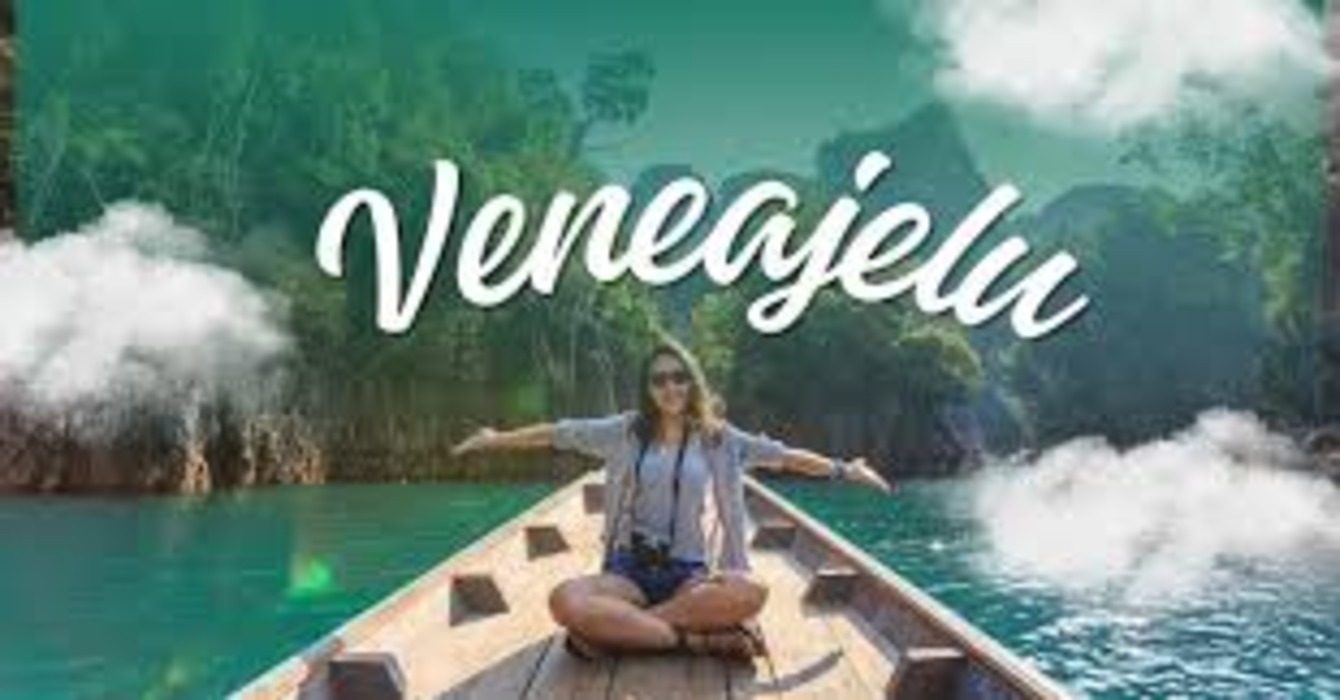
When founders and innovators talk about “flow,” they’re usually referring to operating at peak performance or unlocking creative momentum. But in Finland, that idea finds a literal counterpart in veneajelu—a word that captures something profoundly simple yet deeply meaningful: the act of taking a relaxed ride on water. At its most basic level, veneajelu refers to a leisurely boat ride, rooted in Finnish culture and tied to that nation’s intimate relationship with its lakes, rivers, and archipelagos.
In a world that prizes speed and efficiency, the concept of veneajelu is a refreshing reminder of the value of slowing down. For startup founders, entrepreneurs, and tech professionals immersed in 24/7 digital cycles, veneajelu isn’t merely a travel term—it’s a case study in mindfulness, nature‑based wellness, and observing how cultural traditions can inform modern philosophies of life and work.
What Veneajelu Means: More Than a Boat Ride
At first glance, veneajelu literally translates from Finnish as “boat ride”—vene meaning boat and ajelu meaning ride or cruise. Yet this simple definition misses what the word has come to signify in Finnish life: a slow, intentional journey over water, valued more for the experience itself than for any destination.
In Finland, where waterways define the geographic and cultural landscape, veneajelu is everywhere. It’s the quiet glide across a glassy lake at dawn, the sunlit ferry through an archipelago at sunset, or the family ritual of cruising from island to island on a summer afternoon. What the word captures so beautifully is not just motion across water but a state of being—present, connected, and immersed in nature’s rhythm.
For people familiar with high‑speed lifestyles, this might sound almost countercultural. But for Finns, veneajelu is an expression of balance and simplicity—a chance to reset, reflect, and find clarity in stillness.
The Cultural Roots of Veneajelu
To understand why veneajelu matters in Finland, it helps to look at geography and history. Finland is known as the “Land of a Thousand Lakes”—a poetic understatement given that the country is home to nearly 188,000 lakes and one of the most extensive archipelagos in the world.
Before modern roads, boats weren’t a leisure option but a necessity. Waterways were essential for travel, fishing, trade, and connecting communities across otherwise impassable terrain. As infrastructure developed in the 19th and early 20th centuries, the practical role of boats evolved into a cultural pastime: veneajelu.
Over generations, as summer cottages (mökki) became central to Finnish leisure culture, veneajelu became embedded in family traditions and seasonal rhythms. Families pass down boating skills, fishermen share time on the water, and long summer evenings under the midnight sun become inseparable from the gentle rocking of a boat.
The Experience: What Makes Veneajelu Distinct
In essence, veneajelu is defined by intentional slowness—an unhurried pace that invites contemplation rather than competition. Unlike high‑speed boat tours or sport boating, veneajelu places calm first. Whether it’s a slow row across a quiet lake or a motorboat glide through a serene archipelago, the principle remains the same: move mindfully and enjoy the landscape rather than conquer it.
Veneajelu is a social tradition as much as a personal one. In Finland, families and friends often take boats out together; children learn to navigate from an early age; and conversations flow as freely as the water beneath the hull. These shared experiences foster deep social bonds and enrich life in ways that extend beyond recreation.
Veneajelu and Well‑Being: The Science Behind Slow Water
Modern research lends scientific weight to the slow‑travel ethos of veneajelu. Time spent near or on water—often described as being in “blue space”—has measurable benefits for mental wellness. Studies have shown that proximity to water can reduce stress, lower cortisol levels, and improve overall psychological health.
The gentle motion of the boat and the rhythmic sound of water against the hull create a meditative experience that complements traditional mindfulness practices. In an age where digital overload is common, veneajelu offers a natural antidote: a chance to disconnect from screens and reconnect with the physical world.
How Veneajelu Adapts in Modern Life
While its roots are traditional, veneajelu has adapted to contemporary interests and technologies. Urban boat‑sharing programs and electric boat rentals are now making the practice accessible to city dwellers without personal watercraft. This modern iteration allows more people to experience peaceful boating without ownership or complexity.
Eco‑friendly innovations like electric and hybrid boats also align veneajelu with sustainable travel trends. As awareness of environmental impact grows, these quieter and cleaner forms of boating make the tradition not just relaxing but responsible.
Types of Veneajelu Experiences
Not all veneajelu outings are the same. Depending on one’s goals—serenity, adventure, or socializing—different formats appeal to different people. Consider this table outlining common types of veneajelu experiences and their character:
| Experience Type | Typical Vessel | Best For | Feel/Focus |
| Quiet Lake Rowing | Rowboat/Kayak | Solitude and mindfulness | Peace and connection |
| Motorboat Cruise | Motorboat | Social outings, scenic exploration | Relaxed movement |
| Sailing Veneajelu | Sailboat | Adventure with calm pace | Wind and water balance |
| Archipelago Tour | Guided Boat | Tourism and sightseeing | Culture and discovery |
This table highlights how veneajelu adapts to different needs—whether you seek contemplation, social rhythm, or scenic discovery on water.
Beyond Recreation: Veneajelu as Cultural Symbol
Veneajelu is more than an activity—it’s a metaphor for balance in life. In Finnish literature, media, and art, images of boats on calm lakes often evoke nostalgia, freedom, and renewal. The act of drifting slowly across water can symbolize moving through life with intention, patience, and presence.
This cultural symbolism resonates well beyond Finland. In global conversations about well‑being and slow living, veneajelu exemplifies an approach that honors calm over chaos, depth over distraction, and connection over consumption.
Practical Guide: How to Experience Veneajelu Yourself
If you’re curious about trying veneajelu—whether in Finland or adapting the concept locally—there are a few practical tips:
- Choose a peaceful waterway. Lakes, quiet rivers, and calm coastal areas work best.
- Select a simple vessel. A rowboat, kayak, or small motorboat is ideal; the goal is smooth, unhurried motion.
- Leave stress at the dock. The pace is slow and unstructured—perfect for reflection rather than deadlines.
- Bring essentials. Snacks, water, protective clothing, and a camera are enough; avoid distractions like phones.
Whether it’s an hour at sunset or a full‑day excursion, the value of veneajelu lies in intention, not distance traveled.
Conclusion: What Veneajelu Teaches Us Today
Veneajelu isn’t just a quaint Finnish tradition—it’s a philosophy with global relevance. For modern professionals navigating constant change and information overload, its principles offer a refreshing counterbalance: slow down, appreciate your environment, and recognize that not all movement needs to be hurried to be meaningful.
In business, this mindset translates into thoughtful strategy, sustainable growth, and empathetic leadership. Whether you’re deep in product cycles, scaling teams, or leading digital transformation, taking a page from the veneajelu ethos can help reinforce the value of presence, patience, and connection.