
 By admin@seaislenews.org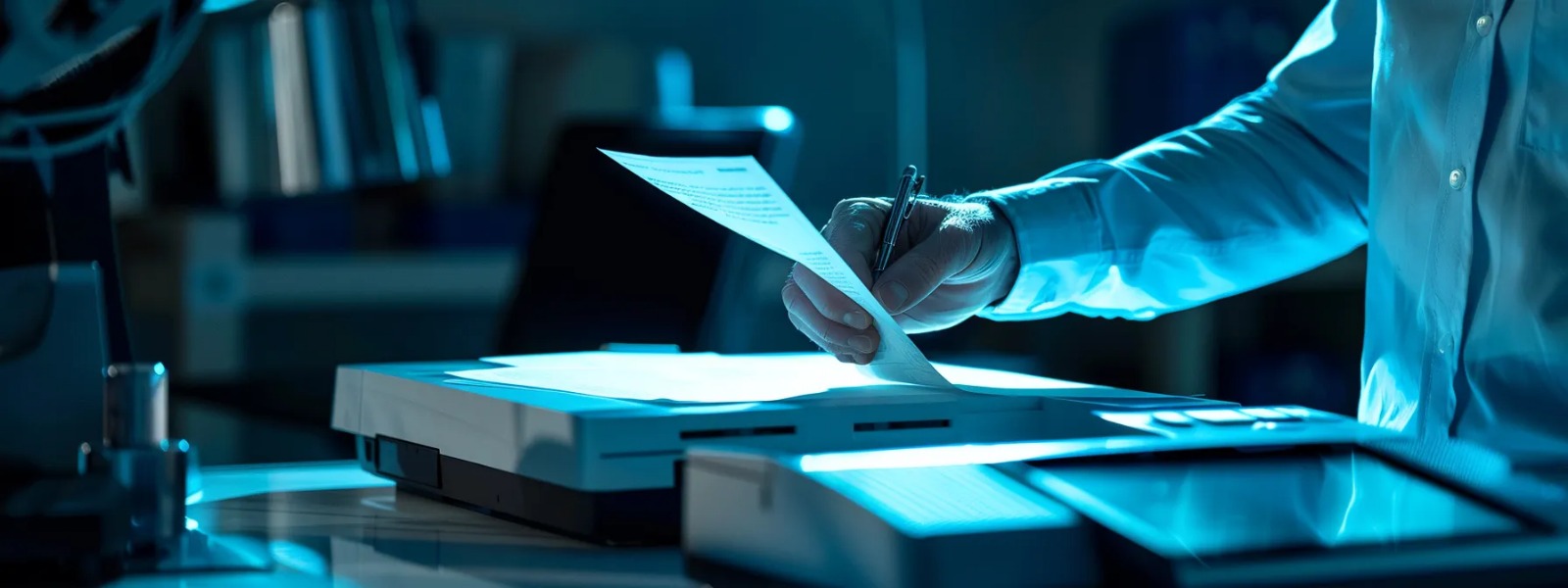
As the healthcare industry becomes increasingly dependent on digital communication, the debate over the security of fax services versus email for transmitting sensitive information grows more pertinent. Despite advancements in technology, many healthcare providers still rely on traditional fax machines for sending patient data, citing security advantages over email. However, email is favored for its convenience and speed.
Comparing these two communication modalities’ security measures is essential to understanding their roles in safeguarding healthcare information. In this article, we delve into the nuances of each method, evaluating their strengths and weaknesses in the context of security, compliance, and risk management.
Fax Services and Email in Healthcare Communication: An Overview
In the realm of healthcare, communication methods must balance efficiency with confidentiality. Fax services have been regarded as a credible means for sharing patient information, traditionally offering a perceived added layer of security over digital emails.
fax for healthcare Historically, fax machines function using the Public Switched Telephone Network (PSTN), which is less susceptible to the mass-scale attacks commonly seen on internet-based services. Furthermore, fax transmissions often leave a physical paper trail, which can be securely managed following the transaction.
Actionable guidance for healthcare providers leans towards employing multifunction printers with integrated fax capabilities. This not only streamlines office workflows but also adds an extra layer of security as these devices can include encryption and secure storage options.
Analyzing the Security Features of Fax Services for Healthcare Data
The security features of fax services are multifaceted, with direct faxing methods less exposed to vulnerabilities inherent in online systems. Encrypted fax transmission minimizes the risk of unauthorized access during the transfer of healthcare data.
For supporting detail, consider that modern fax machines and services can utilize advanced encryption protocols similar to those in secure web transfer modes. This ensures that the content of the fax remains unreadable to potential interceptors. Additionally, there’s generally a lower risk of a fax being accidentally sent to the wrong recipient compared to the ease of misdirecting an email.
To ensure optimal security when using fax services in healthcare, it’s essential to apply best practices such as utilizing secure fax lines, verifying recipient information before sending, and regularly auditing fax logs for irregularities.
Email Encryption and Data Protection in the Healthcare Sector
Email, favored for its immediacy and digital convenience, presents its own set of security capabilities, particularly through the use of encryption. End-to-end email encryption is pivotal for protecting health information against interception or breaches as it transits the Internet.
Many reputable email service providers include encryption as a standard feature to maintain client confidentiality. Health Data Security Best Practices highlight the importance of utilizing these encrypted services, which align with the strict privacy standards required by the healthcare sector.
Healthcare organizations should prioritize deploying email services with robust encryption measures and train staff on secure emailing protocols. Moreover, assessing the level of encryption along with adherence to HIPAA-compliant email practices are actionable steps for enhancing email safety.
Compliance and Risk Management: HIPAA Considerations for Fax and Email
The Health Insurance Portability and Accountability Act (HIPAA) sets the benchmark for the secure handling of sensitive patient information, applicable to both fax services and email communications. Adhering to HIPAA regulations is imperative for healthcare providers when choosing between these two methods.
Fax services have traditionally aligned well with HIPAA’s stringent rules due to their delivery mechanism. However, with the advent of Internet Protocol (IP) faxing, compliance demands have evolved. It’s necessary for providers to confirm that their fax services align with HIPAA’s modified requirements, especially when adopting new forms of technology.
To fortify compliance and risk management, healthcare organizations should enforce strict policies around the use of both fax and email. This includes executing risk assessments, training staff on HIPAA requirements, and choosing only those service providers that offer demonstrable compliance guarantees.
Ultimately, determining whether fax services or email is safer for transmitting sensitive healthcare information hinges on a variety of factors. While fax services offer a more traditional, and sometimes more secure path, email communication has evolved with encryption techniques to maintain confidentiality. Considering the continuous changes in technology and compliance laws, healthcare providers must stay informed and consistent in their security practices for whichever method they choose.