
 By admin@seaislenews.org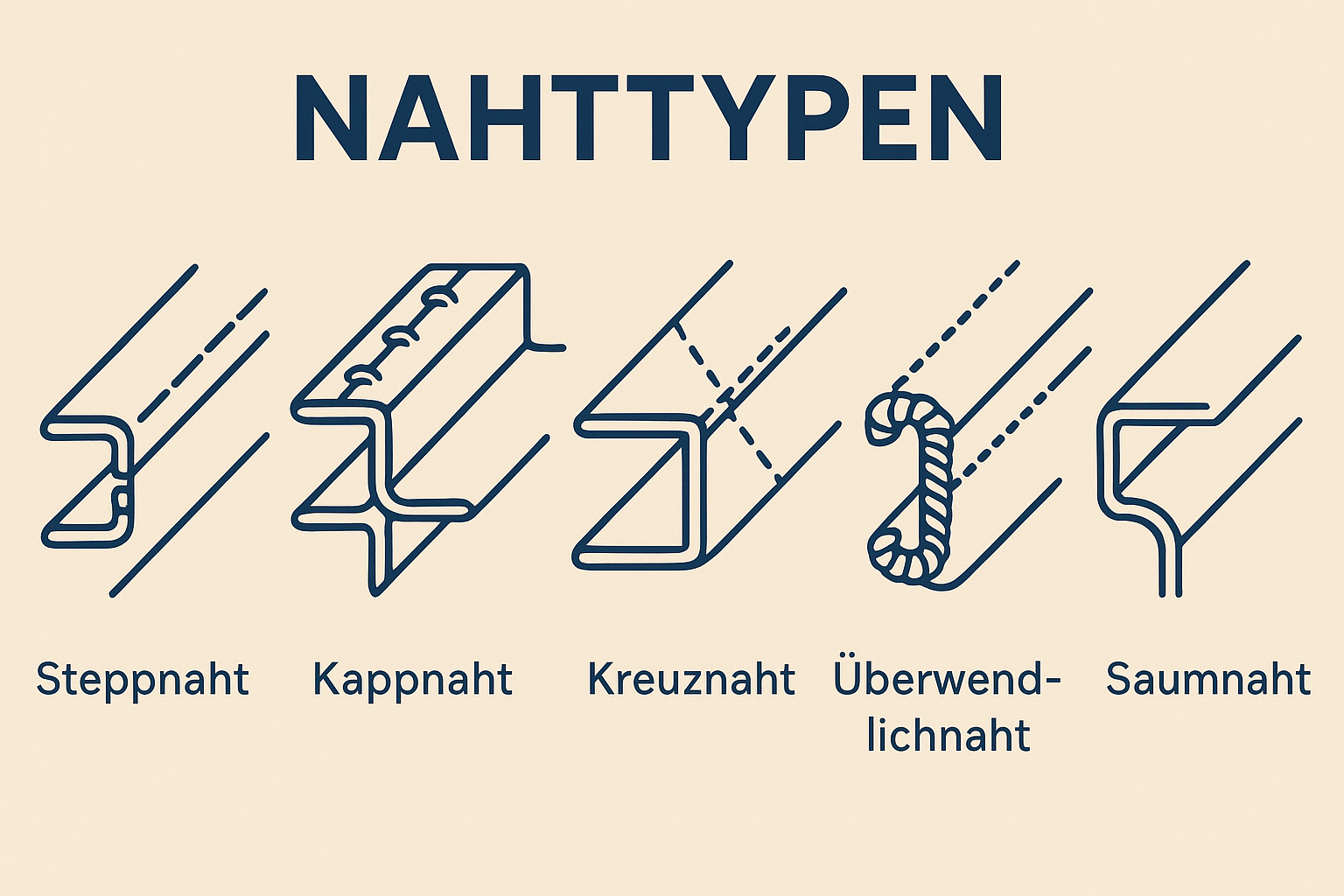
In the world of design, manufacturing, and textiles, nahttypen—or seam types—play a crucial role in determining the durability, aesthetics, and functionality of a product. Whether you’re a fashion designer, a product engineer, or a startup founder developing innovative textile solutions, understanding the nuances of nahttypen can elevate your work from ordinary to exceptional. Beyond mere stitching, seam types influence how materials perform under stress, how garments fit, and how industrial products withstand wear and tear.
What Are Nahttypen and Why They Matter
At its core, nahttypen refers to the various methods and styles of joining materials using stitching, welding, or bonding techniques. While seemingly technical, the choice of seam type directly impacts the final product’s quality, longevity, and user experience.
For example, a high-performance outdoor jacket requires seams that are not only strong but also waterproof. In contrast, a luxury garment may prioritize invisible, elegant seams to enhance the visual appeal. Understanding nahttypen allows creators and engineers to make informed decisions that balance strength, aesthetics, and functionality.
Key Nahttypen in Industry and Design
Different industries adopt specific nahttypen based on their unique requirements. Below is a table highlighting some of the most common seam types and their applications:
| Seam Type | Description | Common Applications |
| Plain Seam | Simple, two-piece stitch | Everyday clothing, light fabrics |
| French Seam | Encases raw edges for a clean finish | Luxury garments, delicate fabrics |
| Flat-Felled Seam | Strong, durable, and finished on both sides | Jeans, workwear, outdoor gear |
| Overlock/Serger Seam | Prevents fraying with multiple threads | Knitwear, activewear |
| Welt/Bound Seam | Decorative and structural | Upholstery, bags, heavy fabrics |
This diversity of nahttypen ensures that designers can choose the optimal method for each project, whether prioritizing durability, appearance, or comfort.
Practical Relevance for Entrepreneurs and Product Designers
For startups in fashion tech, wearable devices, or industrial textiles, nahttypen can directly affect product viability. Choosing the wrong seam type can lead to premature wear, reduced user satisfaction, and higher production costs. Conversely, mastering appropriate seam techniques can enhance brand reputation and reduce returns or complaints.
Consider a company developing high-tech wearable gear. Using flat-felled seams on stress points ensures the garment withstands repeated motion, while French seams on delicate sections preserve comfort and aesthetics. By strategically applying nahttypen, startups can differentiate their products in competitive markets.
Innovations in Nahttypen
Recent advancements in materials science and digital fabrication have expanded the possibilities for nahttypen. Laser cutting, ultrasonic welding, and automated sewing machines allow designers to create seams that are precise, durable, and efficient to produce. These innovations have opened doors for new product categories, from smart textiles to industrial composites, where traditional stitching would be inadequate.
The Role of Technology
Modern software tools can simulate seam strength, flexibility, and wear under various conditions. By integrating these tools into the design process, entrepreneurs can optimize nahttypen before production, reducing waste and accelerating time-to-market. This predictive approach is particularly valuable for startups with limited budgets, as it minimizes costly prototyping errors.
Common Mistakes and How to Avoid Them
Despite the benefits, many designers and manufacturers overlook key considerations when selecting nahttypen:
- Ignoring Material Properties: Different fabrics and composites respond differently to tension, heat, and stitching.
- Overlooking Functional Needs: A seam must balance aesthetics with durability, waterproofing, or flexibility depending on the application.
- Neglecting Production Constraints: Some seam types require specialized machinery or skilled labor, which can impact costs and timelines.
By avoiding these mistakes, teams can leverage nahttypen to enhance product quality while remaining efficient and cost-effective.
Future Trends in Seam Technology
The future of nahttypen is closely tied to sustainability, automation, and smart materials. Innovations such as biodegradable threads, automated stitching robots, and sensor-integrated seams are poised to redefine how products are designed and manufactured.
For startups, staying ahead of these trends is a strategic advantage. Incorporating advanced nahttypen not only improves product performance but also signals a commitment to innovation and quality—a critical differentiator in crowded markets.
Conclusion
Nahttypen are far more than simple stitches; they are a foundational element of product design, performance, and aesthetic appeal. For entrepreneurs, designers, and engineers, understanding and leveraging the right seam types can enhance durability, optimize functionality, and elevate the overall user experience. By combining technical knowledge with creativity and emerging technologies, startups can harness the full potential of nahttypen to create innovative, high-quality products that stand out in competitive industries.