
 By admin@seaislenews.org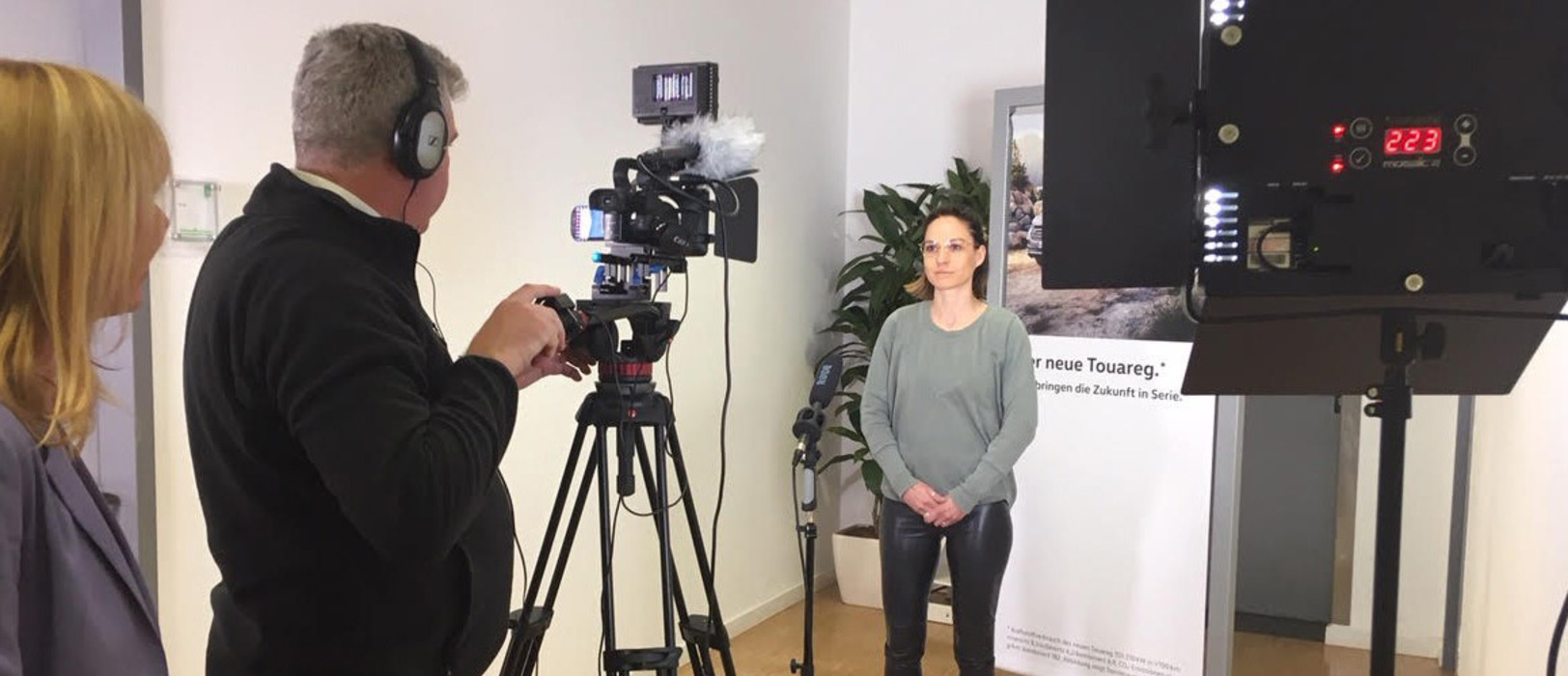
Every organisation may be hit by a crisis at any moment. It can be a product failure, a legal problem, an accident at the workplace, or negative publicity on the internet. During such moments, the light shifts fast on the individuals: the spokesperson.
What he/she says and how he/she says it can influence the opinion of the people in just a few minutes. Trust can be safeguarded using a simple message. Defensive or confused reactions will ruin a brand in a year.
This is the reason why the training of media spokespersons is very important to the process of crisis communication. It equips leaders and representatives to manage the pressure with publicity and calmness. Now, we will discuss the importance of media spokesperson training.
Why is Crisis Communication So Sensitive?
The emotions run high during a crisis. Customers feel worried. Employees feel uncertain. Journalists seek solutions. News is diffused through social media immediately.
Silence may appear to be guilt in such circumstances. Lack of good communication may appear as lying. Even the slightest slip of wording is liable to cause a reaction.
The spokesperson will be the face and voice of the organisation. Their voice, their posture, and words are all emphatic. Unprepared, one can easily fall. Stress influences thought and speech. Individuals are likely to turn defensive or talk too much. Crisis communication is about being disciplined and enlightened.
What Is Media Spokesperson Training?
Media spokesperson training is a formal training that equips one to talk in a proper way with the media. It helps them to convey major messages with clarity and remain calm when under pressure. The training typically involves interview simulations, body language coaching, dealing with challenging questions, and organizing live media interviews.
Respondents rehearse in real life. Feedback is given to them concerning tone, clarity, and confidence. It is not aimed at the production of scripted robots. This is aimed at developing natural and constant communicators.
Developing Resiliency in Stressful Situations
Stress is generated in crises. Heart rates rise. Adrenaline flows. Even seasoned leaders might become appalled at the onset of cameras. Training is one way of eliminating that fear.
spokespersons are better prepared when they practice difficult questions. They get to know how to take a moment before responding. They develop the habit of remaining composed even when things are asked aggressively.
Preparation Brings about Confidence
An educated spokesperson will be able to present the most important details without talking in circles. They understand how to neutralize false news politely. They know how to be professional even under provocation.
This composed figure is soothing to the people.
Controlling the Message
Rumours circulate very fast during a crisis. Journalists can be pressured to give information that has not been substantiated. Minor mistakes can be magnified by social media. Message control is one of the things that the media spokesperson training is all about.
Spokespersons learn to stick to verified facts, avoid speculation, and restate main messages in an apparent manner. Divert non-relevant questions. This model maintains a target-oriented communication. In cases where messages are constant, the audience feels directed but not misunderstood.
Securing the Organisational Reputation
It takes years of reputation building and seconds of reputation damage. An interview that is not managed properly may result in bad headlines. Defensive sentences may seem inhumane. Lack of empathy can seem cold.
Training makes spokespersons accept concerns. Simple utterances such as we know what the effect of this has been reveal empathy without taking responsibility too early. During crisis communication, human connection is an important aspect. Corporate language does not work as effectively as people react to honesty and compassion.
Media spokesperson training prevents losses of brand trust in the long run by training leaders to be clear and empathetic in their communication.
Providing Non-Verbal Communications
Communication does not just involve words. Facial expression, body language, and eye contact are equally important.
Body language is observed as the interviews are aired on television. A message can be weakened by nervous gestures or the use of defensive positioning.
Video recording practice is also part of the training. The participants view their interviews, and they are given feedback. This knowledge makes them seem relaxed and receptive. The voice should be calm, well-modulated and free in position. Minor changes can make a significant difference.
Social Media and Digital Management
This is no longer the case of crisis communication through press conferences. A significant role is played by social media.
The spokespersons need to know how to share, edit, and repost statements on the web. Shorter videos can become viral.
There is digital awareness training. It trains spokespersons to write easily understandable statements, even when they are shortened.
In the modern media world, where things are quite fast, one should be prepared as fast as the information flows.
Favoring Internal Communication
Crisis communication is not merely concerned with the masses. Employees also require assurance.
When leaders articulate issues to the media, they are passing information to their subordinates as well. When management is confident at the top, it creates stability across the organisation.
Spokespersons who have been trained know that any utterance to the crowd will influence the morale within the organization.
Effective communication eliminates uncertainties and fear among employees.
The Human Aspects of Crisis Response
In the background of any crisis are actual individuals. Customers may feel hurt. Employees may feel anxious. There can be anxieties among communities.
Good spokespersons are empathetic. They are aware of the human influences of the events.
Authenticity is promoted through training. It reminds leaders that they should talk like people and not only executives.
The audiences tend to be more supportive when they perceive sincerity in them.
Beyond Crisis Long-Term Benefits
Training has a wider range of benefits, though the initial one is crisis communication.
Media spokesperson training also tends to enhance the general communication skills of leaders who undergo such training. They are made better presenters. They deal with interviews and conferences with ease.
Effective leadership is created through effective communication.
Responsible organisations allocate resources towards preparation. They do not wait for problems to occur. They prepare in advance.
Final Thoughts
Organisations are tested at their lowest moments during a crisis. Communication is the best in such situations. Training of media spokespersons makes leaders capable of handling hard questions in a calm and clear way. It prevents reputation loss, establishes trust, and acts in favor of both the external and internal audiences.
Crisis is not done away with through preparation. Nevertheless, it alters the organisational response. Even challenging circumstances can be dealt with with dignity when communication is consistent, sincere, and sensitive.
In the world that we live in today, which is becoming interconnected, it is not an optional skill. It is essential.