
 By admin@seaislenews.org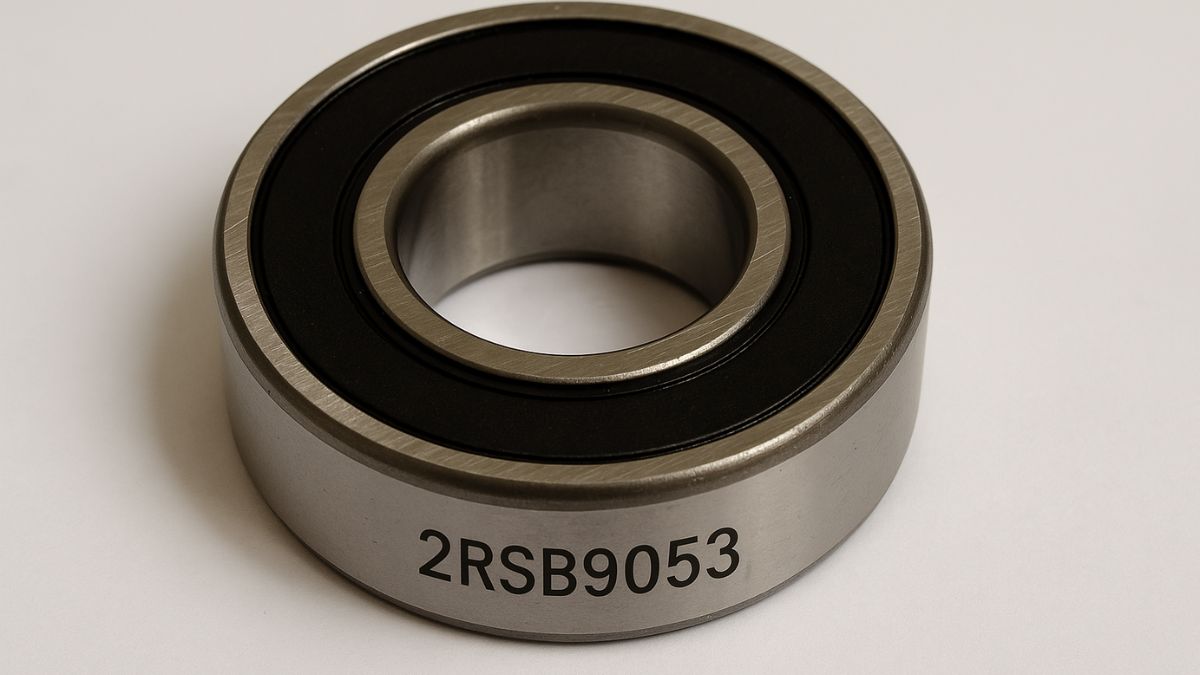
In the world of precision machinery and modern engineering, some components are utterly unglamorous in appearance yet indispensable in function. 2RSB9053 is precisely that kind of unsung hero — a small but essential bearing designation that quietly enables smooth motion, reliability, and longevity across myriad applications. Whether you’re designing industrial automation, electric vehicles, aerospace systems, or even consumer‑grade devices, understanding what 2RSB9053 is and why it matters can elevate your approach to product design and system reliability.
Let’s unpack this seemingly cryptic combination of letters and numbers, show its real‑world relevance, and explore how it can influence decisions in tech, engineering, and product development.
What Is 2RSB9053 — A Bearing That Means Business
At first glance, 2RSB9053 might look like a randomly generated part number. But in mechanical engineering circles, it’s instantly recognizable as a specific type of sealed bearing — a tiny yet critical component that keeps rotating systems running smoothly under load. At its core, the code points to a bearing equipped with double rubber seals (“2RS”), constructed to withstand both radial (side‑to‑side) and axial (thrust) loads with durability and precision.
Bearings like the 2RSB9053 are foundational elements in modern machinery. They reduce friction between moving parts, support rotational motion, and protect sensitive machinery internals from contaminants. Without them, industrial systems would wear out quicker, run hotter, and fail much sooner.
Decoding the Designation: What Each Part Means
Understanding how the code 2RSB9053 breaks down helps demystify why this specific bearing is so widely used. Here’s a practical way to read it:
- 2RS: This tells you that the bearing has two rubber seals, one on each side. These seals prevent dust, moisture, and debris from entering the inner mechanism, while retaining lubrication — a major plus for maintenance‑sensitive applications.
- B: In many bearing nomenclature systems, “B” hints at aspects of internal geometry or design type (often associated with angular contact or deep‑groove styles). It helps engineers quickly categorize how the bearing will behave under load.
- 9053: This part typically represents the series and dimensional specifications, such as bore size, outer diameter, and width. Though specifics can vary by manufacturer, this number ensures the bearing fits a well‑defined range of assemblies.
In engineering terms, this combination signals a robust, sealed component designed for high‑performance environments where protection, load capacity, and operational smoothness are crucial — much more than just a generic “ball bearing.”
Why 2RSB9053 Matters: Real‑World Engineering Relevance
You may be asking: why dwell on such a specific component? The answer is simple. In high‑impact engineering — from robotics and automation to automotive EVs and aerospace actuators — every moving part counts. A bearing might only represent a few dollars in BOM cost, but its performance influences efficiency, reliability, and even product lifecycle costs.
For example, double‑sealed bearings like the 2RSB9053 are a go‑to in systems where contamination is a constant risk — factories with airborne dust, outdoor equipment exposed to moisture, or applications with limited maintenance access. It’s no exaggeration to say that a poorly chosen or poorly sealed bearing can be the root cause of unexpected downtime and costly repairs.
Even consumer‑grade products benefit from the features encapsulated in this designation. A sealed bearing in an appliance such as a washing machine or power tool dramatically improves lifecycle performance, reducing noise, wear, and maintenance frequency — outcomes every entrepreneur should consider when scaling hardware products.
Where 2RSB9053 Is Used: From the Factory Floor to Your Garage
Part of what makes 2RSB9053 so fascinating is how broad its applicability truly is. Below is a snapshot of common sectors where this bearing plays a silent yet indispensable role:
| Industry | Typical Use Cases |
| Automotive Engineering | Gearboxes, wheel hubs, electric motor assemblies — where durability under vibration and heat is essential. |
| Industrial Machinery | Conveyor systems, pumps, factory automation — where sealed bearings extend operational uptime. |
| Robotics & Automation | Precision motion systems, joints, and actuators — where low friction and smooth rotation enhance performance. |
| Aerospace & Aviation | Flight control systems and stabilizers — where reliability and contaminant protection are critical. |
| Consumer Appliances & Tools | Washing machines, drills, and home machinery — benefiting from low‑maintenance, sealed designs. |
Each of these applications underscores a core theme in engineering: efficiency and protection cannot be compromised. When machinery must run reliably under varying loads and environments, something as seemingly mundane as a bearing designation like 2RSB9053 becomes a strategic choice.
Technical Strengths: Why Engineers Choose 2RSB9053
What makes the 2RSB9053-bearing family stand out isn’t just its labeling — it’s the engineering delivered behind it. Its key advantages include:
Contaminant Protection – The dual seals keep out dust and moisture, dramatically extending service life compared to open bearings.
Low Maintenance – Pre‑lubricated with high‑performance grease and sealed, these bearings require minimal upkeep.
Versatile Load Handling – Able to support both radial and moderate axial loads, they serve well in systems with multi‑directional stress.
Smooth, Quiet Operation – Precision engineering reduces friction, energy loss, and vibration — critical for both industrial and consumer products.
Ultimately, the design philosophy behind a part like 2RSB9053 reflects a broader engineering truth: small decisions have large impacts. Selecting the right bearing affects energy efficiency, noise profiles, maintenance schedules, and system resilience — all of which can influence product differentiators in competitive tech markets.
Conclusion: 2RSB9053 as a Strategic Engineering Choice
In the grand architectures of mechanical systems, components like the 2RSB9053 fly under the radar — yet they carry enormous value for engineered products. Its design reflects a careful balance between durability, protection, and performance. For founders, entrepreneurs, and tech innovators building hardware products, recognizing and choosing the right foundational parts isn’t simply a technical task — it’s a strategic advantage.
Whether you’re crafting a next‑generation robot, designing industrial automation, or iterating a consumer device, understanding what 2RSB9053 brings to your system gives you confidence that your product will operate with reliability and efficiency. It’s a reminder that excellence lies not just in grand design, but in the meticulous attention to each part that makes movement possible.